Plumbing guide
Hydro Jetting vs Snaking: Which One Your Drain Line Needs, and When Neither Is Enough
Hydro jetting vs snaking comes down to what is in the pipe and what the pipe is made of. A cable machine, the snake, bores through a single clog and is the right first tool for hair, paper or a stoppage in a branch line. A jetter scours grease, sludge and sand off the whole wall. Old cast iron, cracked clay and Orangeburg need a camera look and a gentler plan.
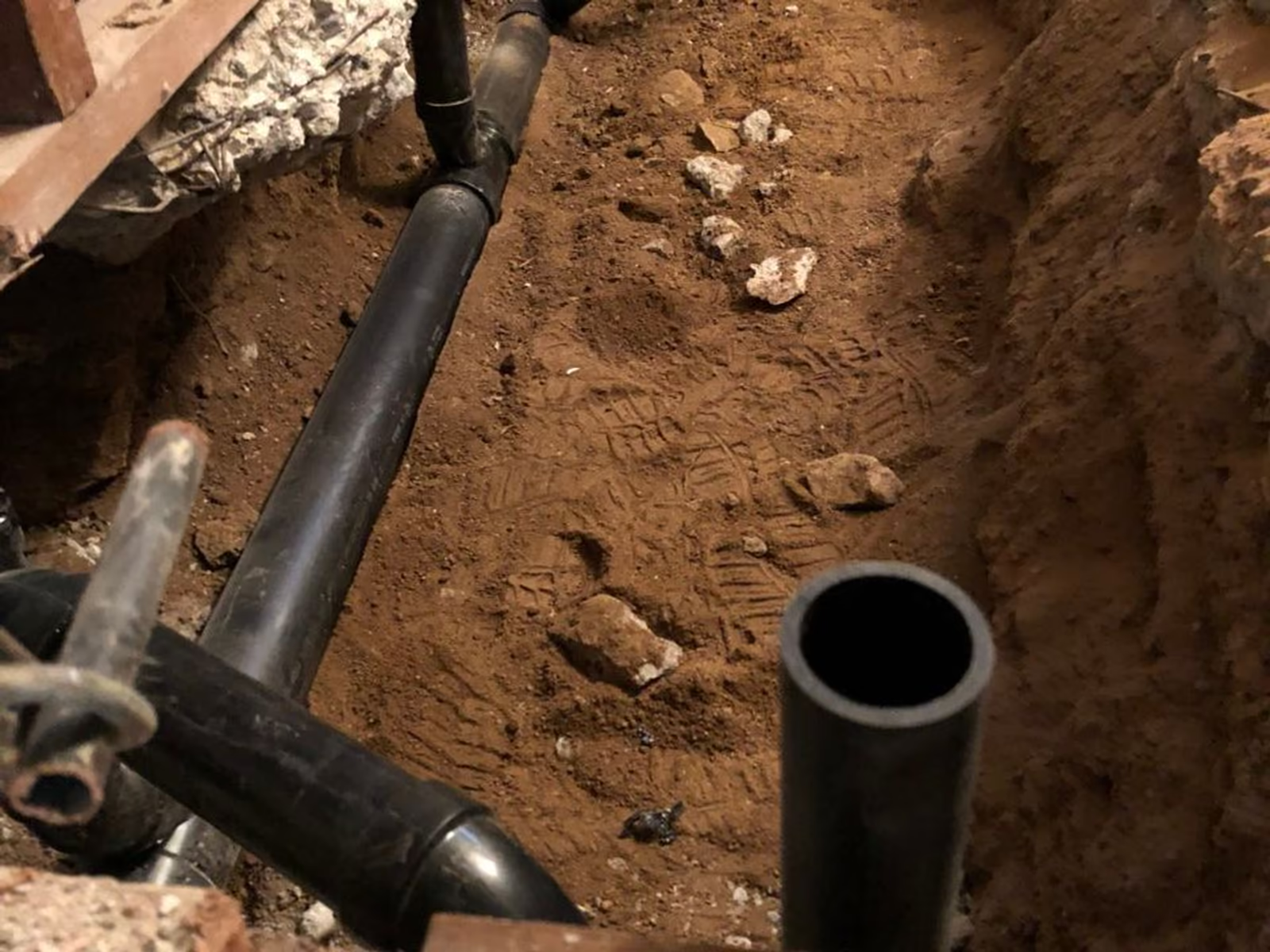
- A snake bores or hooks its way through a clog and leaves most of the coating on the pipe wall, which suits a single soft clog in a branch line.
- A hydro jetter uses rear-facing jets that pull the hose forward and scour the wall, which suits grease, sludge and sand in kitchen and main lines.
- Flow moves debris as much as pressure breaks it up, and too much flow for the pipe, not too much pressure, is what pushes water out of a toilet.
- Before anyone mechanically clears a sewer line outside the house, SoCalGas asks you to call so it can check for a gas line bored through the sewer.
- Neither tool closes the open joint that roots come through, so a line that keeps clogging needs a camera inspection and a repair plan.
Hydro jetting vs snaking: which one does your line need?
Start with the clog, not the tool. A sink or tub that slowed down once, with hair or paper behind it, needs a cable. A kitchen line that clogs every few months, or a main line full of grease and sludge, needs the wall cleaned, and that is jetting work.
Hydro jetting vs snaking at a glance
| Feature | Snake (cable machine) | Hydro jetter |
|---|---|---|
| How it works | Spins a steel cable with an auger or cutter head | Pumps water through a nozzle with rear-facing jets |
| Best for | One soft clog: hair, paper, a stoppage in a branch line | Grease, sludge and sand, and repeat clogs in kitchen and main lines |
| Pipe wall afterward | Most of the coating stays | Scoured back toward bare pipe |
| Roots | A root saw cuts them back | A root-cutting nozzle cuts and flushes them |
| Old or damaged pipe | Cutters can snag soft or broken pipe | Needs lower pressure and a camera look first |
The pipe decides the rest. Most ABS and PVC lines take either tool. Old cast iron, clay with tired joints and Orangeburg fiber pipe change the plan, so on those a camera look comes before any pressure. Our hydro jetting in Los Angeles page explains how we match the nozzle and pressure to the line.
What does a cable machine actually do inside the pipe?
A cable machine, also called a snake, a rodder or an auger, spins a steel cable with a tool on the end. A toilet auger clears the bowl and the trap right behind it. A drum machine, the kind used on sinks, tubs and laundry lines, carries the cable coiled in a drum and handles roughly 1-1/2 to 4 inch lines.
Main lines often get a sectional machine, which couples heavy cable sections together as it feeds them in, with saw-tooth cutters for roots. The tool on the end matters: a bulb auger grabs hair, a spade cutter breaks a stoppage, and a C-shaped cutter scrapes grease from the wall.
What a cable leaves behind is the limit. It opens a path, but a coating of grease or sludge usually stays on the wall and catches the next load. That is why a first-time clog gets a cable during drain cleaning, and a repeat clog gets a closer look.
How does a hydro jetter clean, and why does flow matter as much as pressure?
A jetter pumps water through a hose to a nozzle with jets that point backward. Those rear jets pull the hose up the pipe and blast the wall behind the nozzle, and some nozzles add a forward jet that cuts into the blockage. Much of the cleaning happens as the hose is pulled back toward the cleanout.
Small electric jetters for house lines run roughly 1,500 to 1,750 psi at about 1.4 to 1.7 gallons per minute, according to manufacturer specs. Portable gas units run about 2,200 to 3,000 psi at 2.4 to 5.5 gallons per minute, and trailer jetters for commercial lines add far more flow.
Pressure breaks material loose, but flow carries it away, and the right mix depends on the pipe size. Nozzles differ too: a penetrating nozzle opens a blockage, a wide-angle one scrubs the wall, a rotating one strips grease off the wall, and a root-cutting head chews through roots. The sewer-cleaning trade group NASSCO points out that too much flow, not too much pressure, is what blows water out of a toilet. A gauge on the machine also reads pump pressure, not the pressure at a nozzle 100 feet down the hose.
Which pipes can take jetting, and which need a gentler tool?
Sound plastic and sound cast iron handle a jetter well. The risk sits in pipe that is already failing, and industry guidance calls for lower pressure on old or deteriorated lines. No US code sets a safe pressure for a house drain, so the camera and the tech set it job by job.
Drain pipe materials in Los Angeles homes and how each one gets cleaned
| Pipe | Where you find it | Cable machine | Hydro jetting | What to watch |
|---|---|---|---|---|
| ABS or PVC | Newer homes, remodels, replaced laterals | Fine | Fine at the right pressure | Usually the easiest line to clean |
| Cast iron | Under older homes, often under the slab | Fine; chain knockers descale it | Clears grease and roots; often leaves scale | Thin, rusted spots on old lines |
| Vitrified clay | Older laterals to the street | Fine; root cutters for roots | Fine on sound pipe, lower pressure on cracked pipe | Open joints where roots enter |
| Orangeburg fiber | Some postwar laterals | Cutters can tear it | High risk on soft pipe | Flattened pipe usually needs replacing |
| Galvanized steel | Small kitchen branch lines in older homes | Fine for short runs | Use with care | Rust nodules and thin walls |
Old cast iron has a third option, which is the real question behind hydro jetting vs descaling. Tuberculation, the rust bumps that build up inside, often survives a typical jetting. A chain knocker on a flexible shaft knocks it off the wall, and crews often follow it with a lower-pressure jet to flush the pieces. A sewer camera inspection afterward shows what the pipe looks like underneath.
What should you check before anyone clears a sewer line in Los Angeles?
Three things, and one of them is about gas. A gas line installed by boring can, in rare cases, pass straight through a sewer lateral. SoCalGas asks that you call 1-800-427-2200 before anyone clears an outside sewer line with a mechanical tool, and it checks at no charge.
Second, find the backwater valve if the house has one. LADBS requires one on new work and sewer replacements where fixtures sit below the next upstream manhole cover, and its backwater valve handout warns that cleaning machines can damage the valve. A good tech works around it through a cleanout on the right side.
Third, use the cleanout. Some older LA houses have no cleanout a crew can reach, and adding one may be the first step. Cable machine makers tell crews not to feed a cable through a fixture, so a toilet comes off before the cable goes through its drain. A roof vent works as a last resort, but a cleanout at ground level lets debris flow away from the house.
Restaurants and grease: is jetting the same as pumping the interceptor?
No. The grease interceptor catches grease before it reaches the sewer, and pumping it empties what it caught. Jetting cleans the lines between the kitchen and the interceptor, and between the interceptor and the city sewer. A kitchen can need both.
LA Sanitation runs a fats, oils and grease program for food service businesses under the Los Angeles Municipal Code. It requires an industrial wastewater permit, kitchen best practices and approved grease removal devices, with an interceptor in new kitchens and larger remodels. The program does not set a jetting schedule, so the right interval comes from your own line's history, and our commercial plumbing team plans it around service hours.
Whatever comes out of a line stays in the sewer. City code bans discharging anything but stormwater into the storm drain, apart from a few permitted flows, so nothing from a backup or a cleanout spill gets hosed into the gutter.
Can you rent a jetter or use a pressure washer kit?
You can buy a drain kit for a pressure washer, but it is usually a small-flow tool suited to soft blockages, and it carries the same injury risk as a real jetter. Manufacturer manuals warn that the stream can inject water under the skin, and that a hose pulled out of the drain while running can whip.
A rented cable machine has its own hazard: a loose glove or a rag can wrap around the spinning cable and injure your hand. Drain chemicals make both jobs worse, since the cable or the spray brings them back out at you. If you would rather hand it off, check the license of whoever you hire on the CSLB website.
How long does each fix last, and why does the clog come back?
It lasts until the cause returns. Grease builds back at the rate your kitchen sends it. Roots grow back through the same open joint, which is why LA Sanitation schedules repeat cleanings on its own root-treated sewers. A belly or an offset traps waste again no matter how clean the pipe was.
A camera finds those causes, but it cannot see through standing water or sludge, so a backed-up line gets opened first and scoped second. Our guide to a drain that keeps clogging covers the patterns, and the one on tree roots in the sewer line covers lining and replacement.
A+ Electric & Plumbing is a licensed electrician and plumber serving Los Angeles and the San Fernando Valley, so the crew clearing a floor drain can also look at the GFCI outlet the ejector pump plugs into. If the same drain has backed up twice this year, call (818) 421-5290 and a live person picks up. Our Los Angeles plumber page lists the rest, and the home page explains why one electrician and plumber in Los Angeles keeps both trades on one invoice.
Frequently asked questions
Is hydro jetting better than snaking?
Better for some jobs, not all. Jetting wins on grease, sludge and sand because it cleans the whole wall, while a cable is the right tool for one soft clog in a branch line. On roots, both can work with the right cutter or nozzle, and neither closes the joint. On old cast iron with heavy scale, a chain knocker often does what a jetter cannot.
Will hydro jetting damage my pipes?
Not sound pipes at the right pressure and flow. The risk is pipe that is already failing: cracked clay, flattened Orangeburg, or cast iron rusted thin. That is why older lines get a camera look first, unless grease is hiding the wall, and why the tech lowers the pressure on deteriorated pipe instead of using one setting for every job.
Is the clog worse after snaking?
It can feel that way. A cable that bores through a grease plug opens a path but leaves the rest of the coating, which can slough off and catch again further down. Hair or wipes can also be pushed past the reach of a short cable. When a line clogs again within weeks of snaking, the wall needs cleaning or the pipe needs a camera.
How often should a restaurant line be jetted?
There is no city schedule for line jetting in Los Angeles, so it should follow your own history. A busy kitchen with long flat runs may need it every few months, a lighter one far less. Track every backup and every cleaning date, keep up the interceptor service your permit calls for, and tighten the interval when backups return.
Can I hydrojet my own pipes?
You can rent or buy a small jetter or a pressure washer drain kit, but most consumer setups are sized for branch lines, not packed mains or roots, and the stream can inject water under your skin. A hose that slips out of the drain while running can whip. Call SoCalGas before clearing an outside sewer line, and leave cast iron, clay and Orangeburg to a licensed crew.
Is hydro jetting worth it?
It is worth it when the problem is on the pipe wall: grease, sludge, sand or roots coming back to the same line. For one soft clog in a sink or tub, a cable is the simpler tool. If the line keeps clogging after a good jetting, the money belongs in a camera inspection and a repair, not in another round of cleaning.
Related services
Need this handled? Start here
Get a free estimate
Tell us what's going on and a licensed tech calls you back fast, with the exact price before any work starts. Electrical and plumbing, one team.
Estimates for quoted work are free. Troubleshooting or diagnosis may carry a $100-$250 service call, credited to your repair when you approve the work.
- Exact price in writing before we start
- Licensed, bonded & insured (CSLB #942404)
- One team for electrical and plumbing
Prefer to talk? Call (818) 421-5290, answered 24/7.