
Leak detection & location
Leak Detection in Los Angeles
A high water bill with no obvious cause usually means a hidden leak. Leak detection in Los Angeles is how we find it: acoustic listening, thermal imaging, and pressure testing pinpoint the failure under a slab, inside a wall, or out in the yard, without tearing your home apart. We locate the leak first, mark it, and quote the repair in writing before anything gets cut.
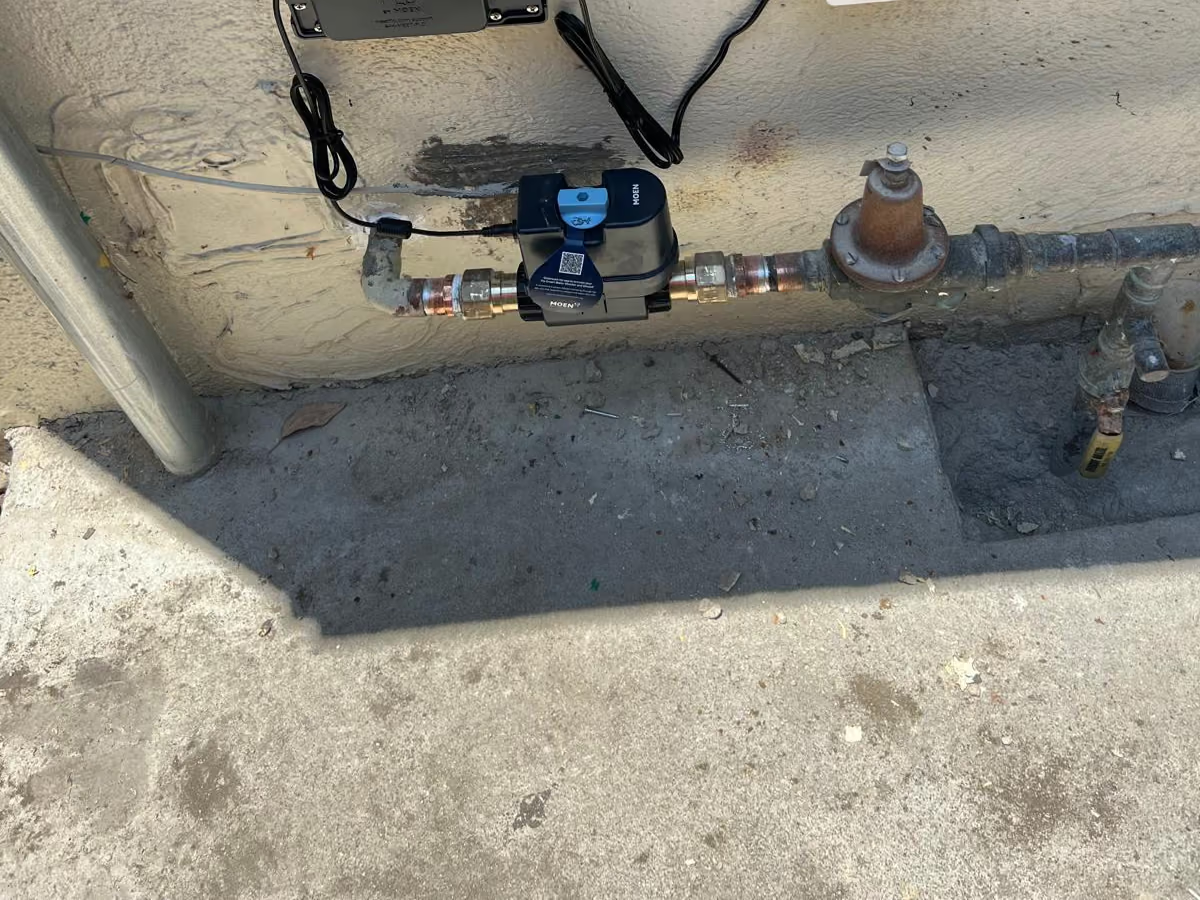
- Electronic leak detection visit $150-$400, with the price agreed before we roll
- Acoustic listening, thermal imaging, pressure isolation, and dye testing
- Slab, wall, yard, and pool line leaks located, often within a foot
- The crew that finds the leak can also repair it, with your written approval
- CSLB #942404, based in Tujunga, serving LA and the Valley: (818) 421-5290
How much does leak detection cost in Los Angeles?
Leak detection in Los Angeles runs $150-$400 for most homes, and that covers the search, the tools, and a marked location. The repair is a separate number, quoted once we know what failed and where. You approve every price in writing before we cut into anything.
Leak detection and typical follow-up repair costs in Los Angeles
| Job | Typical Los Angeles range |
|---|---|
| Electronic leak detection visit | $150-$400 |
| Slab leak spot repair | $2,000-$4,000 |
| Overhead reroute of one slab line | $1,500-$4,000 |
| Yard water line spot repair | $350-$900 |
| Larger water main repair | $500-$2,500 |
| Whole-home repipe after repeated leaks | $4,500-$14,000+ |
These are typical Los Angeles ranges for orientation, not a quote. Every job is priced by its own conditions, so your exact number comes from a free on-site look. Get a free estimate in minutes, or call (818) 421-5290.
Two things set the fee inside that range: the size of the house and how deep the leak hides. A small home on a raised foundation is a quick check, while a large slab house with irrigation and a pool loop takes longer to isolate.
Is your water bill up while nothing changed?
A jump on the water bill is the most common reason people call us. Nobody filled a pool, nobody watered more, yet the bill climbed for a second month in a row. Water is going somewhere, and a hidden leak is the usual answer.
Pull up your last few statements on LADWP and compare the usage figures, not the dollar totals. Rates change over time, but a 20 or 30 percent jump in use with the same habits points at a leak.
The meter tells the same story. If the small dial keeps turning with every fixture off, water is leaving the system somewhere between the meter and your taps. That check takes two minutes, and we walk you through it below.
Warm floors, stains, and musty rooms
Some leaks announce themselves inside the house. A brown stain spreading on a ceiling, a baseboard that swells, or paint that bubbles all point at water moving where it should not.
A warm spot on the floor is a special case. Hot water lines run under many Valley slabs, so a leak on the hot side heats the concrete above it. If one patch of tile feels warm barefoot and the water heater seems to run constantly, that is a classic slab leak sign.
Trust your nose too. A musty smell in one room, a closet, or the cabinet under a sink usually means damp material behind the surface. Mold needs about 48 hours of moisture to get going, which is why we treat that smell as a reason to look now, not next month.
Try this two-minute meter check first
You can confirm a leak before you ever call us. Shut off every fixture and appliance that uses water: taps, the ice maker, irrigation, and anyone's shower plans for the next few minutes.
Find your meter box at the curb, lift the lid, and watch the dial. Most LA meters have a small triangle or star that spins with any flow at all. If it moves with everything off, water is escaping on your side of the meter.
One refinement narrows it down. Close the main house shutoff and check the dial again: still spinning means the leak sits in the yard between the meter and the house, while a stopped dial puts it inside or under the building. Tell us what you saw, and we arrive with a head start.
How we find a leak without tearing up your home
Guesswork is expensive when the pipe hides in concrete or drywall, so we use tools that see and hear through the surface, then confirm the spot before anything gets opened.
- Acoustic listening: ground microphones pick up the hiss of pressurized water escaping, and the loudest point marks the leak, often within a foot
- Thermal imaging: an infrared camera shows the heat trail a hot-water leak leaves in a slab or wall
- Pressure isolation: we valve off one section at a time and watch the gauge, so the losing section names itself
- Dye testing: harmless dye traces leaks in toilets, shower pans, and pool fittings that pressure tools cannot separate
No single tool wins every job. A deep yard leak can be silent at the surface, while a cold-side slab leak leaves no heat trail, so we cross-check with at least two methods before we mark the floor.
Slab, wall, yard, or pool line: where is the water going?
Where the leak sits decides what the fix looks like. Under a slab, the copper loops cast into the concrete of many 1950s-70s Valley homes pinhole with age, and the water heads down, so bills climb long before anything shows. The fix is a slab leak repair, either a spot fix or a reroute above the concrete.
Inside a wall, a fitting or an old nail strike weeps behind the drywall, and stains or a musty smell give it away. Out in the yard, the service line between the meter and the house fails underground, which is water line repair territory: soggy grass, one green stripe of lawn, or the meter check pointing outside.
Pool and spa plumbing is its own case. A pool that drops more than evaporation explains, roughly a quarter inch a day in LA summer, may have a leaking return or suction line. We pressure test each loop separately and dye test the fittings, which separates a plumbing leak from a shell problem.
What happens during a leak detection visit?
Most detection visits take one to three hours. You get a marked location and a written finding before we leave, plus a repair quote when the fix is ours to make.
- Walkthrough and meter readingabout 15 minutes
We listen to your story, look at the bill history, and read the meter with the water off to size the loss.
- Pressure isolationabout 30 minutes
We valve off the house, the irrigation, and any pool loop one at a time to see which section loses pressure.
- Acoustic and thermal scan30-60 minutes
We listen along the suspect line and scan floors and walls with the infrared camera to close in on the spot.
- Mark and confirmabout 15 minutes
We mark the leak on the floor or wall, cross-check it with a second method, and photograph the findings for you.
- Written report and repair quotebefore we leave
You get the location, the likely cause, and a written price for the repair, and you decide the next step.
One leak or a tired system: repair or repipe?
The first leak in a 60-year-old copper system is rarely the last. Hard LA water and electrolysis thin the pipe from the inside, so once pinholes start, they tend to come in a series.
Our rule is honest math. One leak in otherwise solid pipe gets a spot repair, while a second or third leak within a year means the money is better spent on a whole-home repipe at $4,500-$14,000+ than on chasing holes one at a time.
Detection findings drive that call. We see the pipe wall at the repair opening, so we can tell you whether the rest of the system has years left or is living on borrowed time, and you get that answer straight, not as a sales pitch.
Why call A+ Electric & Plumbing for leak detection?
A+ Electric & Plumbing is a licensed plumber and electrician based in Tujunga, serving Los Angeles and the San Fernando Valley under CSLB #942404. Finding leaks is daily work for us, not a sideline, and the same crew that locates your leak can repair it on the spot with your approval.
That one-team setup matters on leak jobs more than most. A leak near a bathroom often means opening a wall with wiring inside it, and our electricians handle that side legally in the same visit. You can verify the license at CSLB before you book.
For leak detection across Los Angeles, call (818) 421-5290 or Get a Free Estimate. If water is actively running, close the main house valve first, then call: our plumbing team answers 24/7.
Frequently asked questions
How much does leak detection cost in Los Angeles?
Leak detection in Los Angeles runs $150-$400 as a flat visit price for most homes. That covers the search, the marked location, and a written finding. The repair is quoted separately once we know what failed: a slab spot repair runs $2,000-$4,000, while a yard line fix often costs far less. Call (818) 421-5290.
How do I know if I have a hidden water leak?
The strongest signs are a rising water bill with the same habits, a meter that moves with every fixture off, warm floor spots, ceiling or wall stains, and a musty smell in one area. One sign alone is weak evidence, while two together justify a detection visit. The meter check takes two minutes and settles most doubts.
Can you find a leak under a concrete slab?
Yes, slab leaks are the main event in this trade. Acoustic microphones hear the escaping water through the concrete, and thermal imaging spots the warm patch a hot-side leak leaves. We usually mark the spot within about a foot, which means one small opening instead of trenching the whole floor, and the repair options come quoted in writing.
Why is my water bill suddenly high?
Rule out the honest causes first: new irrigation settings, house guests, a filled pool, or a rate change on the LADWP side. If usage climbed while habits stayed the same, a hidden leak is the likely cause. Running toilets are the biggest quiet water waster, so listen to each tank, then run the meter check with everything off.
Does leak detection damage my walls or floors?
No, the search itself is non-invasive. Listening discs, the thermal camera, and pressure gauges all work from the surface, so nothing gets opened during detection. Cutting starts only if you approve a repair, and then it is one small, targeted opening at the marked spot rather than exploratory holes across the room.
How accurate is acoustic leak detection?
On a pressurized line under a slab, we typically mark the leak within a foot. Accuracy drops with depth and pipe material, since a deep yard line or plastic pipe carries sound poorly, so we cross-check with pressure isolation or thermal imaging before anyone cuts. When two methods disagree, we say so and keep testing rather than guessing.
Can you find leaks in pool or spa plumbing?
Yes. A pool losing more than about a quarter inch a day in summer is losing water to something beyond evaporation. We pressure test the suction and return loops one at a time and dye test the fittings, which separates a plumbing leak from a crack in the shell. You get the finding in writing either way.
What is a pressure isolation test?
We close valves so each part of the plumbing stands alone, then pump it to a set pressure and watch the gauge. A section that holds is tight, while a dropping needle names the guilty line without opening anything. It is the fastest way to split a problem between house, irrigation, yard, and pool plumbing.
Do you repair the leak after you find it?
Yes, and that is the advantage of calling a licensed plumber instead of a detection-only outfit. The crew that marks your leak can quote and often complete the repair the same day, from a slab spot fix to a yard line replacement. You approve the written price first, and our 1-year workmanship guarantee covers the repair.
My water meter spins with everything off. What should I do?
Close the main house shutoff valve and look again. A dial that keeps moving puts the leak in the yard line between the meter and the house, while a dial that stops points inside or under the slab. Either way you have real evidence, so call (818) 421-5290 and tell us what you saw, and we bring the right tools first.
How fast can you get out for a suspected leak?
For active leaks we run 24/7 and can often reach San Fernando Valley homes the same day. A slow leak that has already waited a month can usually take a next-day slot, and we schedule detection within a day or two. If water is running right now, close the main house valve first, then call (818) 421-5290.
From our blog
Guides that answer the questions behind this job
Signs of a Hidden Water Leak, and the Two-Minute Test That Confirms One
The clearest signs of a hidden water leak are a rising bill with unchanged habits and a meter that turns with every tap off.
Read the guide Plumbing guideWhy Is My Toilet Leaking at the Base, and What Is the Right Fix?
A toilet leaking at the base usually means the wax seal between the bowl and the drain flange has failed.
Read the guideWhere we do this work
Leak detection & location across our service areas
Get a free estimate
Tell us what's going on and a licensed tech calls you back fast, with the exact price before any work starts. Electrical and plumbing, one team.
Estimates for quoted work are free. Troubleshooting or diagnosis may carry a $100-$250 service call, credited to your repair when you approve the work.
- Exact price in writing before we start
- Licensed, bonded & insured (CSLB #942404)
- One team for electrical and plumbing
Prefer to talk? Call (818) 421-5290, answered 24/7.