
Sump pump installation & repair
Sump Pump Installation in Los Angeles
Sump pump installation in Los Angeles protects hillside homes, basements, and crawlspaces from groundwater. A+ Electric & Plumbing installs the pump, pit, check valve, and discharge line, then adds a battery backup for storm outages. Every home drains differently, so we size the job to your pit and water flow and quote one exact price up front. Free written estimate.
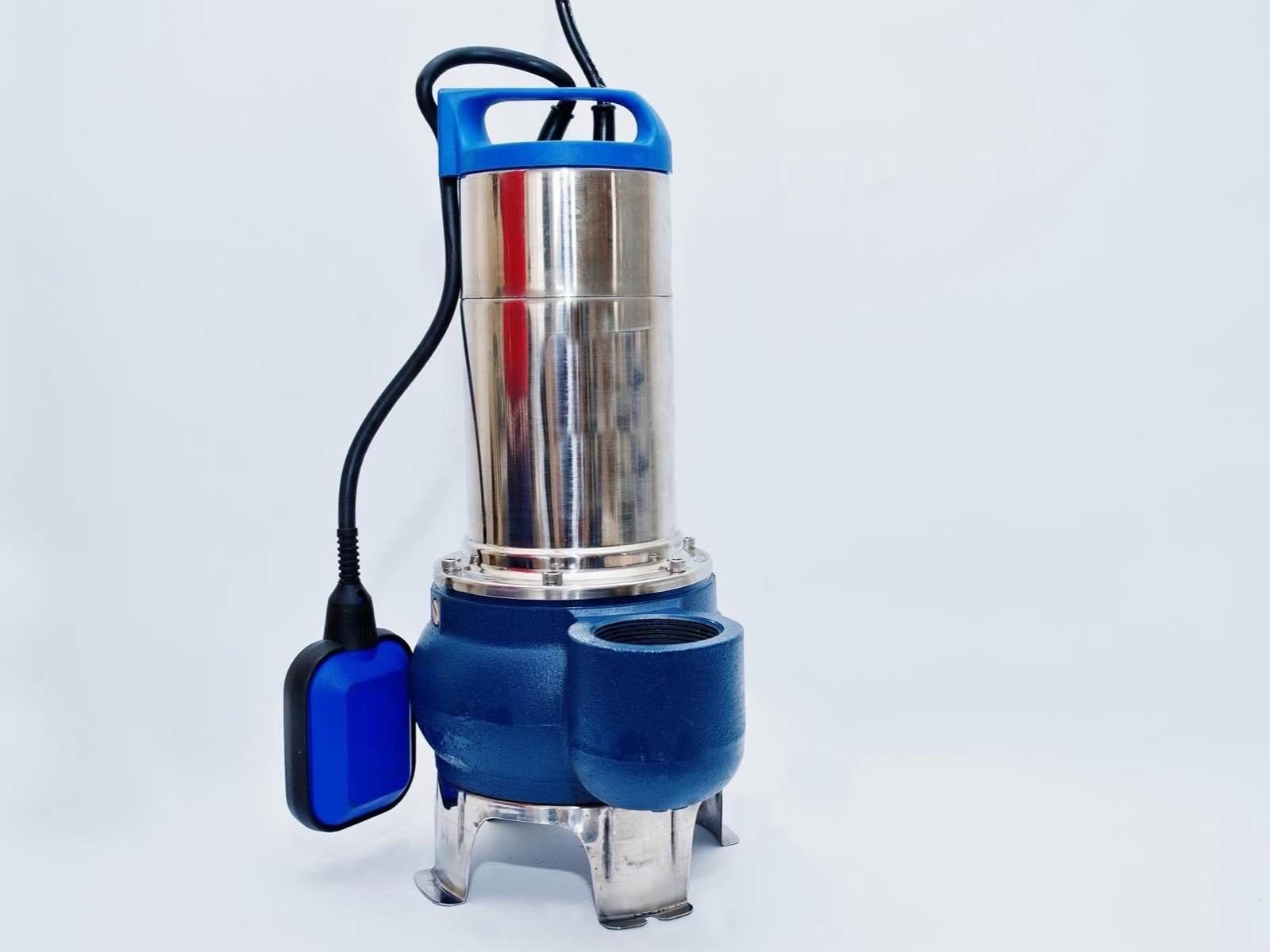
- Sump pump installation, licensed and to code (CSLB #942404)
- New install $600-$1,600; pump replacement $400-$900
- Battery backup add $300-$800 for storm outages
- Submersible and pedestal pumps, pit, check valve, discharge line
- One licensed team, upfront price, before we start
Does my Los Angeles home need a sump pump?
You need a sump pump if groundwater keeps collecting under your home. In Los Angeles, that means hillside houses, homes with a basement or crawlspace, and lots on a high water table. Flood-prone streets and poor yard drainage add to the risk.
It plays out the same way each winter. Heavy rain hits your Silver Lake hillside home. Water runs downhill and pools against the foundation, then seeps into the crawlspace and sits there for days.
A sump pump fixes that. It sits in a pit at the low point, collects the water, and pumps it away from the house. So your crawlspace stays dry and your foundation stays sound.
- Hillside homes where water runs down toward the foundation
- Basements or crawlspaces that flood or feel damp in winter
- Lots with a high water table near the coast or old wetlands
- Flood-prone streets that pond during heavy rain
- Poor downspout or foundation drainage that dumps water at the wall
Not every LA home needs one. If your yard drains well and stays dry, you may not. But if you mop the crawlspace every winter, a pump is the answer. We handle the pump, the pit, and the discharge line that hillside owners here rely on.
Where should a sump pump sit in your house?
A sump pump sits at the lowest point of your home, where water naturally collects. In most LA houses, that is a corner of the basement or crawlspace. We dig a pit, called a basin, and drop the pump inside.
The pit size matters. Too small, and the pump switches on and off too often, which wears it out fast. A standard basin runs about 18 inches deep and 24 inches wide. That gives the pump room to work and rest.
Then comes the discharge line. This pipe carries water up and out, away from the foundation. We route it to daylight or a storm drain, never into the sewer. Dumping groundwater into the sewer breaks city code.
A check valve goes on that line too. It stops pumped water from draining back into the pit when the pump shuts off. Without it, the pump cycles again and again for no reason.
We also point the discharge at least 10 feet from the house. Otherwise the water runs right back and the pump never rests. Good routing is half of a reliable sump pump installation in Los Angeles.
Submersible or pedestal: which type wins?
Most LA homes do best with a submersible pump. It sits down in the pit, underwater, and runs quietly. A pedestal pump stands above the pit with its motor in the air. Both move water, but they fit different jobs.
A submersible pump handles more water and lasts longer in a wet pit. It stays sealed, so it runs quiet and hides under the floor. Most homeowners pick this type. It costs a bit more, but it earns it.
A pedestal pump costs less and is easier to service, since the motor sits up high and dry. But it is louder and moves less water. It suits a shallow pit or a tighter budget.
The float switch turns the pump on when water rises. A tethered float swings up on a cord. A vertical float slides straight up a rod. A tight pit needs the vertical type, because a tethered float needs room to swing.
Not sure which pump fits your pit? We measure the space and the water flow, then recommend one. You get the honest pick, not the priciest box on the shelf, and we install it the same day when we can.
What does sump pump installation cost in Los Angeles?
A new sump pump system runs $600-$1,600. A straight pump replacement, reusing your pit and lines, runs $400-$900. Adding a battery backup adds $300-$800. We give you the full price before we start.
Sump pump costs, typical range in Los Angeles
| Service | Typical Los Angeles range |
|---|---|
| New sump pump install | $600-$1,600 |
| Pump replacement (reuse pit) | $400-$900 |
| Battery backup add | $300-$800 |
| New pit or basin excavation | Adds to the install |
| Sewage ejector pump | Quoted higher |
These are typical Los Angeles ranges for orientation, not a quote. Every job is priced by its own conditions, so your exact number comes from a free on-site look. Get a free estimate in minutes, or call (818) 421-5290.
What moves the price? A new pit means digging through concrete, which adds labor. A long discharge run costs more pipe. A backup system, a high-flow pump, or a sewage ejector pump all raise the total. Some work needs a plumbing permit from LADBS.
We pull the permit when the job needs one and keep the work to code. That way it meets code, and we correct anything an inspector flags at no charge for our workmanship. The final price matches the written quote for the agreed scope.
How does the install go, step by step?
Most sump pump installations in Los Angeles take one day. First we find the low point, then dig the pit, set the pump, run the discharge line, and test it. Here is the process from start to finish.
- Find the low pointabout 30 minutes
We locate where water collects and mark the spot for the pit.
- Dig the pitabout 1 to 2 hours
We excavate the basin, set it level, and add gravel at the base.
- Set the pumpabout 1 hour
We place the pump, connect the float switch, and fit the check valve.
- Run the discharge lineabout 1 to 2 hours
We route the pipe up and out, at least 10 feet from the house.
- Test and backupabout 1 hour
We fill the pit, watch the pump cycle, then wire in any battery backup.
Will there be a mess? Digging a pit stirs up some dust and dirt. We lay down protection and clean the site before we leave. You get a working pump and a tidy crawlspace.
Because we hold both trade classifications, we also wire the pump circuit ourselves. A pump needs a dedicated outlet, often a GFCI. So we do not stop and wait on an electrician. One team, one visit, one invoice.
Do I need a battery backup for outages?
Yes, in most of LA a battery backup is worth it. Storms knock out power right when the rain peaks and the pit fills fastest. Without a backup, your main pump dies at the worst moment. A backup keeps pumping through the outage.
Here is the risk. A winter storm floods your Sun Valley street and cuts the power. Your sump pump has no electricity, so the pit overflows. The water you paid to pump away floods the crawlspace anyway.
A battery backup adds $300-$800 to the install. It kicks in the second the power drops. A charged battery can run the backup pump for hours, long enough to ride out most LA outages.
There is also a water-powered backup. It uses your home water pressure to pump, with no battery to replace. It suits homes with strong city pressure, though it does use water while it runs. We help you weigh both.
Which backup fits you? If your street loses power often, a battery backup is the simple choice. If you want no battery to maintain, the water-powered type may fit. Either way, we size it to your pump and pit.
How do I keep a sump pump running for years?
Test your sump pump every few months to keep it running for years. Pour a bucket of water into the pit and watch the pump switch on, clear the water, and shut off. That simple check catches most problems early.
- Pour water in the pit and confirm the pump starts and stops
- Unplug the pump before you reach in, then clear leaves, gravel, and grit from the pit and the intake
- Check the check valve and discharge line for clogs or leaks
- Test the battery backup and replace the battery every 3 to 5 years
- Make sure the discharge still points well away from the foundation
Most pumps last 7 to 10 years. Heavy use in a wet hillside pit can shorten that. If your pump runs constantly, hums but will not pump, or trips the breaker, it is near the end.
A worn pump is cheaper to swap before it fails. A pump replacement runs $400-$900 when we reuse your pit and lines. Catch it during a dry month, not during the first big storm of the year.
For a pump that already died mid-storm, our emergency plumber team runs 24/7. We swap a failed pump fast, so your crawlspace does not flood while you wait.
Who installs groundwater pumps in the San Fernando Valley?
A+ Electric & Plumbing, a licensed electrician and plumber serving Los Angeles and the San Fernando Valley, installs sump pumps and battery backups across the Valley and the hills. Because we hold both trade classifications, one team digs the pit, sets the pump, and wires the circuit. One call, one schedule, one invoice.
One note on pumps. A sump pump moves clean groundwater. A sewage ejector pump moves waste from a bathroom below the sewer line. They look similar but do different jobs, and a sewage ejector costs more. We install both, and we tell you which one you actually need.
Here is where one team pays off. A pump needs a dedicated circuit, often a GFCI outlet near a wet pit. We handle the plumbing and the wiring, so nothing waits on a second contractor. That covers sump pump installation in Los Angeles from the pit to the circuit.
Want to protect your crawlspace before the next storm? Call (818) 421-5290 or Get a Free Estimate. We cover the Valley and the hills six days a week, and someone answers 24/7 for flooding.
See our residential plumbing work and our full range of plumbing services in Los Angeles. From Tujunga to Woodland Hills, we keep LA homes dry.
Frequently asked questions
Does my LA home really need a sump pump?
You need a sump pump if groundwater collects under your home. In Los Angeles, that means hillside houses, homes with a basement or crawlspace, and lots on a high water table. Flood-prone streets add to the risk. If you mop the crawlspace every winter, a sump pump is the fix. If your yard drains well and stays dry, you may not need one.
How much does sump pump installation cost in Los Angeles?
Sump pump installation in Los Angeles runs $600-$1,600 for a new system. A straight pump replacement, reusing your pit and lines, runs $400-$900. A battery backup adds $300-$800. A new pit or a sewage ejector pump costs more. We hand you an exact written price before we start. Call (818) 421-5290.
Submersible or pedestal, which pump should I choose?
Most LA homes do best with a submersible pump. It sits underwater in the pit, runs quietly, and moves more water. A pedestal pump stands above the pit, costs less, and is easier to service, but it is louder and moves less. We measure your pit and water flow, then recommend the right one for your home.
What is a check valve and why does it matter?
A check valve sits on the discharge line and stops pumped water from draining back into the pit. Without it, water in the pipe falls back down every time the pump shuts off. Then the pump switches on again for no reason, which wears it out fast. Every sump pump we install gets a check valve on the line.
Do I need a battery backup?
In most of LA, yes. Storms knock out power right when the rain peaks and the pit fills fastest. A battery backup keeps pumping through the outage, and it adds $300-$800 to the install. A water-powered backup is another option for homes with strong city water pressure. We help you pick and size the right one.
How is a sump pump different from a sewage ejector pump?
A sump pump moves clean groundwater away from your foundation. A sewage ejector pump moves waste from a bathroom or laundry that sits below the sewer line. They look similar but do very different jobs, and a sewage ejector costs more. We install both, and we tell you which one your home actually needs. Call (818) 421-5290.
Where does the discharge water go?
The discharge line carries water up and out, at least 10 feet from the house, to daylight or a storm drain. It never ties into the sewer, because dumping groundwater there breaks city code and can overload the system. Good routing keeps the water from running straight back to the pit. We plan the route with you first.
How long does a sump pump last?
Most sump pumps last 7 to 10 years. Heavy use in a wet hillside pit can shorten that. Test yours every few months by pouring a bucket of water in the pit and watching it cycle. If the pump runs constantly, hums without pumping, or trips the breaker, replace it before the next storm arrives.
Can you install a sump pump in a crawlspace?
Yes. Many LA homes have no basement, so the crawlspace is where water collects. We dig a pit at the low point, set a submersible pump, and route the discharge line out to daylight. A crawlspace install can be tighter to work in, but the process is the same. Get a Free Estimate to start.
Does a sump pump install need a permit?
Sometimes. A simple pump replacement often does not need a permit, but a new system with new drainage or wiring can. In the City of Los Angeles, that goes through LADBS. Other Valley cities run their own departments, so timelines differ. We pull the permit when the job needs one and keep the work to code.
What float switch is best for a small pit?
For a small or tight pit, a vertical float switch works best. It slides straight up and down a rod, so it needs little room. A tethered float swings up on a cord and needs a wider pit to move freely. We match the float type to your pit size during the install. Call (818) 421-5290.
Where we do this work
Sump pump installation & repair across our service areas
Get a free estimate
Tell us what's going on and a licensed tech calls you back fast, with the exact price before any work starts. Electrical and plumbing, one team.
Estimates for quoted work are free. Troubleshooting or diagnosis may carry a $100-$250 service call, credited to your repair when you approve the work.
- Exact price in writing before we start
- Licensed, bonded & insured (CSLB #942404)
- One team for electrical and plumbing
Prefer to talk? Call (818) 421-5290, answered 24/7.