Shower & tub installation
Shower Installation in Los Angeles
Shower installation in Los Angeles splits into two trades: a licensed plumber handles the valve, the drain, and the water lines, while a tile crew builds the walls and the pan. We cover the plumbing side, from valve replacement behind existing tile to full tub-to-shower conversions. Based in Tujunga with CSLB #942404, we put the exact scope and price in writing before anyone opens a wall.
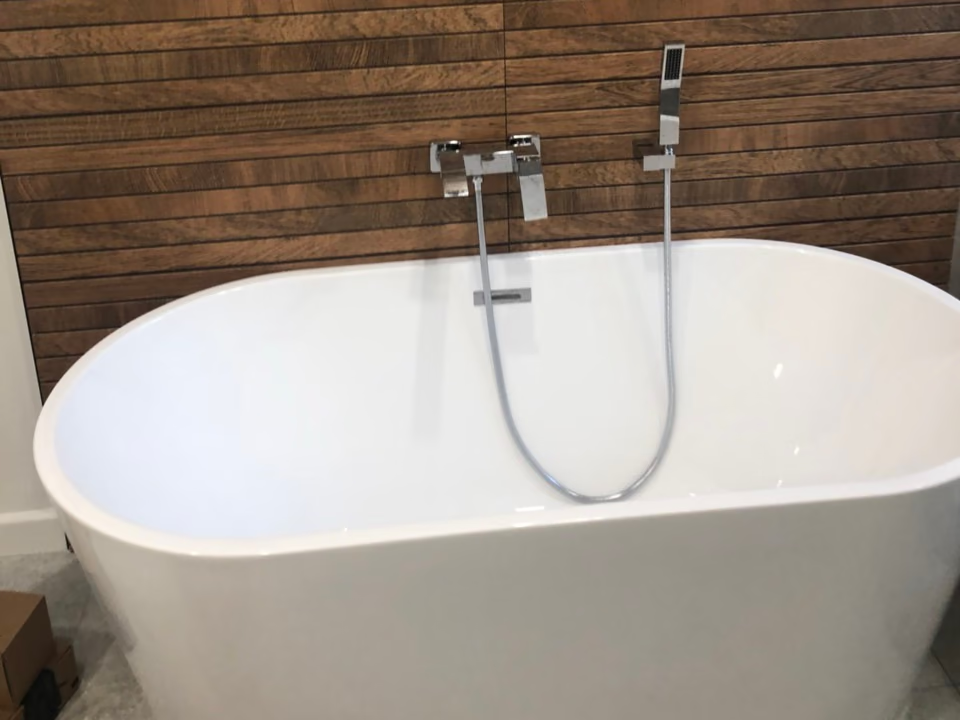
- Valve swaps, tub sets, pan drain hookups, and tub-to-shower conversions
- Valve replacement with the wall opened usually runs $450-$1,200
- Code calls for an anti-scald valve on every new shower, and we set the limit to 120 degrees
- We handle the plumbing scope and time our visits around your tile crew or GC
- CSLB #942404, based in Tujunga, free estimates: (818) 421-5290
How much does shower installation cost in Los Angeles?
Shower installation in Los Angeles runs from about $150 for a trim swap to $3,500 for the plumbing side of a full tub-to-shower conversion. The spread is wide because the jobs differ so much: new trim takes an hour, while a moved drain means cutting concrete or crawling under the house. You get one written price for your exact scope before we touch a wall.
Typical shower plumbing costs in Los Angeles
| Type of job | Typical range |
|---|---|
| Shower valve replacement, wall opened | $450-$1,200 |
| Trim-only swap, valve body stays | $150-$400 |
| Tub-to-shower conversion, plumbing scope | $1,500-$3,500 |
| New tub set with waste and overflow | $800-$2,000 |
| Shower pan drain hookup and flood test | $300-$800 |
| Moving the drain or supply lines | $900-$2,500 |
| Service call | $100-$250, credited to the work |
These are typical Los Angeles ranges for orientation, not a quote. Every job is priced by its own conditions, so your exact number comes from a free on-site look. Get a free estimate in minutes, or call (818) 421-5290.
Access drives most of the price. A valve with a closet on the back side of the wall costs far less to reach than one buried in a mortar-set tile wall from the 1960s. Scale matters too, since Valley water runs hard and a crusted valve rarely comes out clean.
If your project goes past the wet wall, a new vanity, moved fixtures, a reworked floor plan, that is a bigger scope. Our bathroom remodel plumbing page covers rough-in work for full renovations, including moved drains and new venting.
Which parts of a shower install belong to the plumber?
A shower has two builds inside it: the plumbing and the shell. Our crew handles the rough valve, the riser and shower arm, the supply lines, the trap and drain, the tub waste and overflow, and the water test at the end. The shell, meaning backer board, waterproofing, tile, grout, and the glass door, belongs to a tile setter or a general contractor.
We tell you that up front because plenty of callers expect one company to do it all. Some outfits say yes, then sub the tile out with a markup on top. We would rather draw the line honestly, do our trade well, and time our visits around your tile crew so neither side waits.
The order matters. Plumbing goes in first, the city checks it, waterproofing and tile follow, then we return to set the trim. When a tile setter calls us mid-job because a valve sits too deep in the wall, the usual cause is a first plumber who skipped that coordination.
Can you replace a shower valve behind existing tile?
Usually, yes. The cleanest route is from behind: many showers back onto a closet or a hallway wall, and a cut there reaches the valve without touching a single tile. We open the drywall, swap the valve, and leave a paintable access panel so the next repair takes minutes.
When the back side is an exterior wall or a neighbor's unit, we work from the front. A remodel plate, an oversized trim plate made for exactly this, covers the opening left behind when we cut out an old two or three handle valve and set a single-handle unit in its place.
Hard water is the quiet killer here. Scale eats cartridges and seizes stems, which is why so many Sherman Oaks and Van Nuys showers drip within a decade. If yours chews through cartridges, a water softener upstream protects the new valve and every fixture behind it.
What does a tub-to-shower conversion involve?
A tub-to-shower conversion sounds cosmetic, but the plumbing underneath changes. A tub drains through a 1.5-inch waste at one end, while a shower needs a 2-inch drain, usually centered in the pan. That means opening the floor, moving the trap, and upsizing the pipe, either from the crawl space or with a saw cut in the slab.
The valve side moves too. Tub valves sit low, and a shower valve belongs around chest height with the head at 78 to 80 inches, so we extend the riser while the wall is open. Most conversions take one to two days of plumbing across two visits, rough first, trim after tile.
While the floor sits open we look hard at the old drain line. If it runs slow or the cast iron shows its age, this is the cheapest moment to deal with it, and our drain cleaning crew can scope and clear the line the same day.
What does California code say about anti-scald valves?
California plumbing code requires every new or replaced shower valve to be the anti-scald type, either pressure-balancing or thermostatic, with the high limit set at 120 degrees. The rule exists because a flushing toilet or a starting washer can steal cold water and push the shower to scalding in seconds.
Old two and three handle valves have no protection at all, which is the real reason inspectors reject them on a remodel. A pressure-balance valve reads both lines and holds your mix steady, while a thermostatic valve holds an exact temperature. Either satisfies code, and we set the limit stop before we leave.
This matters most in homes with small kids or older family members, since thinner skin scalds faster. Setting the stop takes us two minutes with a thermometer at the shower head, and it is part of every valve job we do.
How do we set a new tub or connect a shower pan?
Setting a tub is precision work with a heavy object. We level it, bed it so it cannot flex, hook up the waste and overflow, and fill it before anyone tiles it in. A tub that sits out of level or drains slowly after the surround goes up is a miserable fix, so we test first.
Shower pans run in a different order. We set the drain body to match the pan system, the waterproofing crew builds the hot mop or membrane around it, then we hook up the trap side and flood-test the pan before a single tile goes down. Skipping that test is how second-floor showers end up staining first-floor ceilings.
Many homeowners use the same visit to refresh the rest of the bathroom hardware. If the sink faucet or a sticking lav drain is next on your list, our faucet installation crew handles those in the same trip for one service charge.
When does a shower project need a permit?
A straight trim swap is maintenance, and no city asks about it. Once supplies move inside a wall, a drain changes size or location, or a tub becomes a shower, plan on a plumbing permit and at least one inspection. Most LA-area cities also want to see the rough work before anything closes up.
In the City of Los Angeles the permit goes through LADBS, while Burbank, Glendale, and Pasadena issue their own. We pull the permit, meet the inspector, and schedule the visits so your tile crew never stands around waiting on a sign-off.
Permit fees for this class of work typically run $150-$500 by city and scope. Skipping the paperwork saves little and surfaces at the worst time, since an unpermitted bath conversion shows up in disclosures when you sell.
What happens on the day, from shutoff to test?
The sequence below fits a conversion or a valve replacement. A plain trim swap skips most of it and wraps up in a single visit.
- Scope visit and written splitabout 1 hour
We check the wall, the drain, and the water pressure, then put the plumbing scope and the price in writing.
- Permit, when the scope needs onea few days
We file with LADBS or your city and line up the inspection windows.
- Shutoff and rough-inhalf a day to 1 day
Water goes off, the old valve comes out, and the new valve, riser, and supplies go in.
- Drain, tub, or pan workhalf a day to 1 day
We move or upsize the drain, set the tub or the pan drain, then flood-test everything.
- Inspection before walls closeabout 1 hour
The city checks the rough work under test, then the tile crew takes over.
- Trim-out after tile1-2 hours
We set the trim, head, and spout, dial in the anti-scald limit, and run hot and cold through every line.
Between inspection and trim-out the job belongs to your tile and glass people, which can take a week or more. We book the trim visit for the day they finish, so the bathroom is not out of service a day longer than it must be.
Why hire A+ Electric & Plumbing for the wet wall?
A+ Electric & Plumbing is a licensed plumbing and electrical contractor, one crew under CSLB #942404, based in Tujunga and working bathrooms across LA and the Valley every week. Every job carries our 1-year workmanship guarantee.
Bathrooms are where our two trades meet: the same project that moves your valve usually needs an exhaust fan, a GFCI, or vanity lighting, and our crew carries both trades through your door. You can verify the license at the CSLB, and our Los Angeles plumber page lists everything else we handle on the water side.
Shower installation across Los Angeles is scope-split work, and the companies that admit that early are the ones whose jobs finish on schedule. Call (818) 421-5290 for a free written estimate, and we will tell you plainly which parts are ours and which belong to your tile crew.
Frequently asked questions
How much does it cost to replace a shower valve in Los Angeles?
Plan on $450-$1,200 when the wall has to open, whether from behind or through the tile face. A trim-only swap, where the valve body stays, runs $150-$400. Access is the main driver: a closet on the back side keeps the cost low, while a mortar-set tile wall pushes it up. The quote is firm before we cut.
Can you replace a shower valve without removing the tile?
Often, yes. If a closet or hallway backs the shower, we cut the drywall there and never touch the tile. From the front, a remodel plate covers the opening around a new single-handle valve, which is the standard fix for old two and three handle setups. Full tile demo is the last resort, not the first move.
Do I need a permit to swap a shower valve?
For a like-for-like valve reached through an access opening, most cities treat the work as repair and it rarely comes up. The permit question turns serious when drains move, supplies reroute, or a tub becomes a shower. Those jobs need a plumbing permit and a rough inspection, and we handle the paperwork through LADBS or your city's counter.
What is a pressure-balancing shower valve?
It is a valve that senses pressure on both the hot and cold lines and keeps your mix steady when another fixture steals water. A toilet flush that used to scald you barely registers. California code requires one, or a thermostatic equivalent, on new and replaced shower valves, with the high limit set at 120 degrees.
Do you install the tile, the pan liner, or the glass door?
No, and we say so up front. Our scope is the plumbing: valve, supplies, drain, tub set, and the pan drain hookup with a flood test. Waterproofing, tile, and glass belong to a tile setter or your general contractor. We coordinate schedules with them so the handoffs stay clean and nobody's crew stands idle.
How long does the plumbing side of a tub-to-shower conversion take?
Figure one to two days of rough work: pulling the tub connections, upsizing the drain to 2 inches, moving the trap, and raising the valve and head. After the tile crew finishes, we return for a short trim visit, usually under two hours. Slab houses run longer than raised foundations because concrete has to open and close.
Can you move a shower drain in a concrete slab?
Yes. We saw-cut the slab, move the trap and drain to the new pan location, and repack the trench once the new run passes its test. Your GC or concrete finisher patches the slab flush afterward. In a raised-foundation house the same move happens from the crawl space, which runs faster and cheaper.
Why does my shower turn cold when someone flushes the toilet?
Your valve has no pressure balance. When the toilet refills, it pulls cold water off the same branch, the cold side of your mix drops, and the shower spikes hot, then swings cold. Old two-handle valves cannot correct for that. A modern pressure-balance valve holds the mix steady, which is exactly why code now requires one.
When do you hook up the shower pan drain, before or after waterproofing?
Both, in a sense. We set the drain body first so the waterproofing crew can build the hot mop or membrane into it. Once their work cures, we hook up the trap side and flood-test the pan before tile. That test is the whole ballgame on a second-floor bath, since a leak found later means opening a ceiling.
Can you raise the shower head while the wall is open?
Yes, and it is one of the cheapest upgrades on the menu. Extending the riser adds modest labor while the wall already sits open, and a head at 78 to 80 inches serves tall family members without anyone ducking under a chest-high spray. Mention it at the estimate so it lands in the written scope.
Does hard water wreck shower valves?
It shortens their lives noticeably. Most of LA runs hard water, and the Valley runs harder than most, so scale builds inside cartridges until they stick or drip. If you replace a cartridge every couple of years, treat that as a symptom. A whole-house softener upstream protects the new valve and every fixture after it.
Can the same visit cover the bathroom fan or vanity wiring?
Yes. We hold one CSLB license covering both plumbing and electrical, so the crew that pipes your shower can wire the exhaust fan, add a GFCI, or move the vanity light. On a small bath refresh that saves you a second contractor, a second schedule, and a second minimum charge. Call (818) 421-5290 and ask for both scopes in one estimate.
From our blog
Guides that answer the questions behind this job
Where we do this work
Shower & tub installation across our service areas
Get a free estimate
Tell us what's going on and a licensed tech calls you back fast, with the exact price before any work starts. Electrical and plumbing, one team.
Estimates for quoted work are free. Troubleshooting or diagnosis may carry a $100-$250 service call, credited to your repair when you approve the work.
- Exact price in writing before we start
- Licensed, bonded & insured (CSLB #942404)
- One team for electrical and plumbing
Prefer to talk? Call (818) 421-5290, answered 24/7.