
Plumbing guide
Do I Need a Sump Pump? What LA Hillside, Garage and Crawl Space Homes Actually Need
Do I need a sump pump in Los Angeles? Most flat-lot homes do not. A hillside house with a cut slope behind it, a below-grade garage or light well, a crawl space on clay soil, or a basement behind a retaining wall usually does. Even then, gutters, downspouts, yard drains and grading come first, because a pump never replaces drainage. The pump then needs its own GFCI-protected circuit and a battery backup for storm outages.
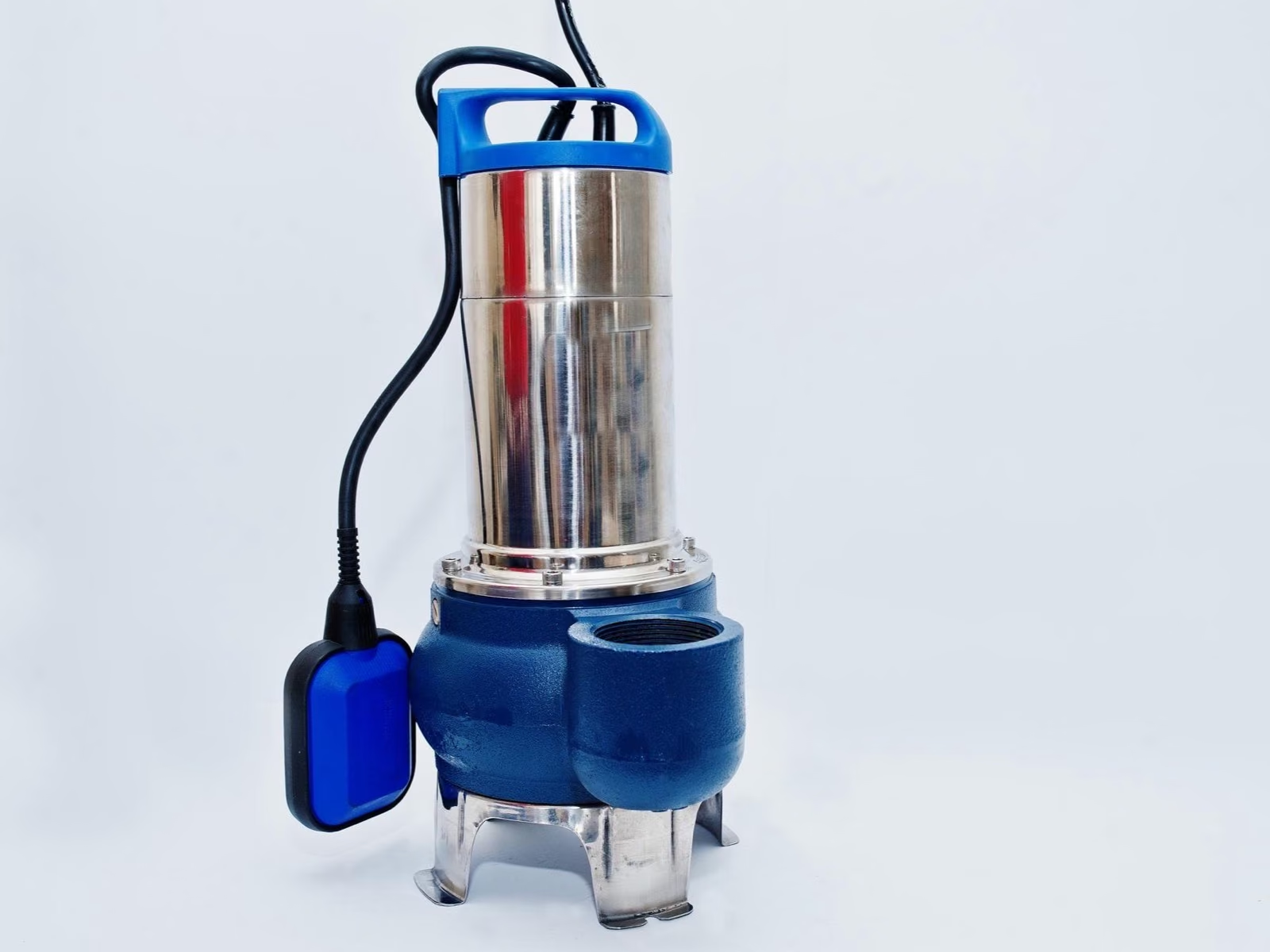
- Most flat-lot homes in Los Angeles and the San Fernando Valley do not need a sump pump, because roof and yard water can leave by gravity.
- A sump pump belongs where water has nowhere to flow on its own: a below-grade garage, a light well, a crawl space on clay, or a basement behind a retaining wall, and only after grading and gutters.
- In Los Angeles practice, sump water goes to the street or a storm drain, not the sanitary sewer, and LADBS Information Bulletin P/BC 2020-103 covers pumping subsurface water from behind retaining and basement walls to the street.
- Under the 2026 Los Angeles Electrical Code the sump pump circuit needs GFCI protection, and a battery backup covers the hours a storm takes the power out.
Do I need a sump pump in Los Angeles if there is no basement?
Only if water collects somewhere it cannot leave by gravity. Most Los Angeles homes sit on flat lots with no basement and cure a wet garage with gutters and grading, not a pump.
The homes that do need one share a shape. A hillside house in the Verdugos, Glenoaks Canyon, Silver Lake or Echo Park catches slope runoff against its uphill wall. A 1950s-70s Valley slab home with the garage below street level takes the gutter overflow of the whole block. A 1920s Hollywood or Los Feliz house with a basement or a light well sits below the yard around it.
Crawl spaces are the quiet case. Many pre-1970 bungalows in Highland Park, Eagle Rock and parts of Pasadena sit on clay-heavy soil that swells shut when wet, so rain under the house stays for weeks. Nobody notices until the floors feel cold or the house smells musty every February.
If none of that describes your lot, the answer is probably no. Spend on gutters and a yard drain instead. When a pump does belong, our sump pump installation in Los Angeles page walks through the pit, the check valve and the discharge line.
Why does water pool in the garage, crawl space or light well when it rains?
Water shows up in one of three ways: surface runoff, subsurface water, or a plumbing leak that only looks like rain. Each has a different fix, so find the source first.
Surface runoff is the common one. A downspout that dumps at the foundation, a driveway sloped toward the garage door, or a patio graded toward the house puts water right where you found the puddle. It rises with the rain and drains within a day.
Subsurface water seeps up through a crawl space floor or the joint at the base of a basement wall. It often shows a day or two after the storm and keeps coming after the sky clears. Hillside lots and the old creek beds under parts of the Valley see this most.
A plumbing leak ignores the weather. If the crawl space is wet in August, or the LADWP bill climbed, run the meter test from our guide to the signs of a hidden water leak first. When the meter keeps moving with every fixture off, leak detection in Los Angeles finds the pipe.
Water rising in a floor drain with a sewage smell is a sanitary backup, not groundwater. Our drain keeps clogging guide covers that case, and no sump pump will touch it.
Hillside home: how do you keep slope runoff out of the house?
Catch the water uphill and give it a path around the house. On a hillside lot that means an interceptor drain or a swale at the toe of the slope and gutters that discharge away from the foundation. Sandbags go where they divert water, never where they dam it.
An interceptor drain is a gravel trench with a perforated pipe along the uphill side of the house, wrapped in filter fabric. It collects slope runoff and carries it by gravity around the building to the street.
Gutters matter more on a hillside than anywhere else. A downspout that empties at the uphill wall feeds the exact spot you want dry. Extend it in solid pipe to the street or a yard drain, and clear the leaves before the first storm.
Our shop in Tujunga sits below the Station Fire (2009) and La Tuna Fire (2017) scars, where every wet winter is a test. LA County proclaimed a storm-season emergency on September 23, 2026. NOAA's October 8 update then gave a 70 percent chance of a historic El Nino and called the impacts that come with one more likely, though not guaranteed. LAFD hands out free ready-to-fill sandbags at neighborhood fire stations.
French drain, re-grading or sump pump: which comes first?
Grading and gutters first, a collection drain second, and the sump pump last. The pump handles only the water that still has nowhere to flow by gravity once those two steps are done.
A pit under a house that still takes the whole roof's water runs all winter and wears out early. Many garages stop flooding once the roof water and grading are fixed.
Where the water comes from and which fix handles it in an LA home
| Water source | Gutters and grading | French drain | Sump pump | Battery backup | Leak or sewer repair |
|---|---|---|---|---|---|
| Roof and surface runoff | First fix; solves most cases | If the yard still ponds | Rarely | No | No |
| Slope runoff on a hillside | Downspouts routed off the slope | Interceptor drain at the slope toe | If the garage or crawl space sits below the drain outlet | Yes, with the pump | No |
| Subsurface water or high water table | Helps, does not solve it | Collects it; needs an outlet | Usually; this is the pump's job | Yes | No |
| Plumbing leak | No | No | No | No | Leak detection, then pipe repair |
| Sewer backup | No | No | No | No | Drain cleaning or sewer line repair |
A French drain needs somewhere to go. On a flat Valley lot the pipe often cannot reach the street with a downhill slope. That is where a sump pit earns its place: the drain feeds the pit, and the pump lifts the water to the curb.
Where can sump water legally go in the City of Los Angeles?
To the street, the gutter or a storm drain, not the sanitary sewer. Storm and ground water stay out of the City's sewer in practice, since that system carries wastewater, not rain.
LADBS publishes Information Bulletin P/BC 2020-103 on sump pumps for surface and subsurface drainage. As we read it, water collected behind a retaining or basement wall can generally go to the street without a separate modification request. A lot where the historic high groundwater sits above the wall footing calls for a soils report. The bulletin also covers backup power and has the permit applicant sign an affidavit to keep the pump in working order. Ask LADBS before you plan a pit, because those details shape the permit.
The discharge line usually runs in solid pipe to a curb outlet, far enough from the foundation that the water cannot circle back. Burbank, Glendale and Pasadena run their own building departments with their own rules on curb drains, so check with that city first. The Los Angeles plumber side of our shop routes and permits that discharge along with the pump.
Pedestal, submersible or battery backup: which pump fits a crawl space?
A submersible pump in a proper basin fits most LA crawl spaces, with a vertical float where the pit is tight and a check valve on the discharge. A pedestal pump suits a shallow pit where the motor has to stay above the water.
Pit depth decides more than the brand. A basin deep enough to let the pump rest between cycles stops short-cycling, and a sealed lid keeps damp air out of the house. The check valve keeps the discharge pipe from draining back into the pit; without one, the pump runs every minute for nothing.
A battery backup is a second pump on its own float, fed by a charger and a deep-cycle battery. Winter storms cut power at the hour the pit fills fastest, and the backup runs for hours on the battery. Treat battery life and pump life as rules of thumb, not promises. A foothill home that loses power for a day or more in a wind event needs a standby unit from our generator installation in Los Angeles page instead.
If the crawl space flooded last winter, call (818) 421-5290 before the rains; the pit, the discharge line and the dedicated circuit come from one licensed team.
Does the pump need its own GFCI circuit, and who wires it?
GFCI, yes, by code; a circuit of its own, by the pump maker's instructions and good practice. Under the 2026 Los Angeles Electrical Code, which adopts the 2025 California Electrical Code, the outlet feeding a sump pump needs GFCI protection, and most pump manuals call for a dedicated circuit, which inspectors hold you to. The pump also wants a dedicated receptacle within reach of its own cord.
What we find instead, in crawl spaces from Van Nuys to Pasadena, is an orange extension cord running through standing water to a pump in a bucket. That cord is a shock hazard and a nuisance trip waiting to happen. The right setup is a weather-resistant GFCI receptacle, or a GFCI breaker, on its own circuit above the flood line.
City inspectors look for that circuit and the GFCI device on a permitted job. A modern pump on a clean circuit should not trip it; one that keeps tripping is leaking current, and the device is doing its job.
A+ Electric & Plumbing is a licensed electrician and plumber serving Los Angeles and the San Fernando Valley, and every sump pit we set gets its check valve, discharge line and GFCI circuit from the same two-license crew. The plumbing side sets the basin; the electrical side runs the circuit, as on our outlet installation in Los Angeles page.
How do you test it before the first storm, and what if it fails mid-storm?
Pour water into the pit until the float lifts, watch the pump clear it and shut off, then confirm water comes out at the street. Do that every fall and after any long dry spell.
- Bucket test: a few buckets of water should lift the float, run the pump and empty the pit without a second cycle.
- Check valve: water rushing back into the pit after the pump stops means the valve has failed.
- Discharge: walk the line to the curb and clear leaves, dirt or a crushed section.
- Backup: unplug the main pump, repeat the bucket test and watch the backup take over.
- Power: press the GFCI test button, confirm the pump stops, then reset it.
When the pump quits with the rain still falling, stay clear of standing water near any outlet or cord. Never handle a plugged-in pump while standing in water. If a supply pipe turns out to be the source, close the house valve as shown in our guide on how to shut off the water main.
The City's Emergency Management Department posts storm guidance at emergency.lacity.gov, and for this El Nino season the City also runs ElNino.LACity.gov and the (213) 913-NINO hotline. Report street flooding through 3-1-1, sewer trouble to LA Sanitation at 1-800-773-2489, and an outage to LADWP at 1-800-342-5397 or its outage page. For the pit and the circuit together, one electrician and plumber in Los Angeles answers the phone at any hour.
Frequently asked questions
Do I need a sump pump if the garage only floods once every few winters?
Probably not. A garage that takes water only in the heaviest storm of a wet year is getting surface runoff over the door sill. A trench drain across the apron with a gravity outlet to the street handles that. A pump earns its place only when that drain cannot reach the street by gravity.
Can I just use a utility pump and a garden hose when it floods?
For a one-time cleanup, yes. A portable utility pump moves a puddle after the fact, and that is all it does. It has no float to start itself at 3 a.m., no backup when the power drops, and a cord that ends up in the water you stand in. A corner that floods every winter needs a pit, a float, a check valve and a proper circuit.
Will a sump pump keep my basement dry in any storm?
No, and anyone who promises that is guessing. The pump lowers the water that reaches the pit. Water over a door sill, a wall crack above the drain, a failed check valve, or an outage that outlasts the battery can still flood the room. Ask your insurer about flood coverage, which is separate and takes about 30 days to start.
My pump runs constantly even in dry weather. What is wrong?
Start with the check valve, since a failed one lets the discharge column fall back and refill the pit on every cycle. A float stuck against the basin wall or a blocked discharge line does the same thing. If the pit keeps filling in a dry month, the water comes from a pipe or a high water table, and the meter test tells you which.
Can the sump pump discharge into my yard instead of the street?
Only where the yard slopes away from every building and the water cannot reach a neighbor or run back to the pit. On the clay soils common in the Valley and the foothills, a yard discharge soaks in slowly and often circles back under the house. The City of Los Angeles expects sump water to reach the street or a storm drain, so plan the route that way.
Related services
Need this handled? Start here
Get a free estimate
Tell us what's going on and a licensed tech calls you back fast, with the exact price before any work starts. Electrical and plumbing, one team.
Estimates for quoted work are free. Troubleshooting or diagnosis may carry a $100-$250 service call, credited to your repair when you approve the work.
- Exact price in writing before we start
- Licensed, bonded & insured (CSLB #942404)
- One team for electrical and plumbing
Prefer to talk? Call (818) 421-5290, answered 24/7.