
Electrical guide
Generator vs Battery Backup: Which One Should a Los Angeles Home Install Before the Next Outage?
Generator vs battery backup comes down to your utility, your outage history and the loads you refuse to lose. A natural-gas standby generator fits a foothill home with multi-hour wind outages and an AC, well pump or sump pump to run. A home battery fits a flat-lot home with short outages, rooftop solar, or strict noise rules. A portable unit only makes sense through an interlock kit or transfer switch, never a dryer-outlet backfeed.
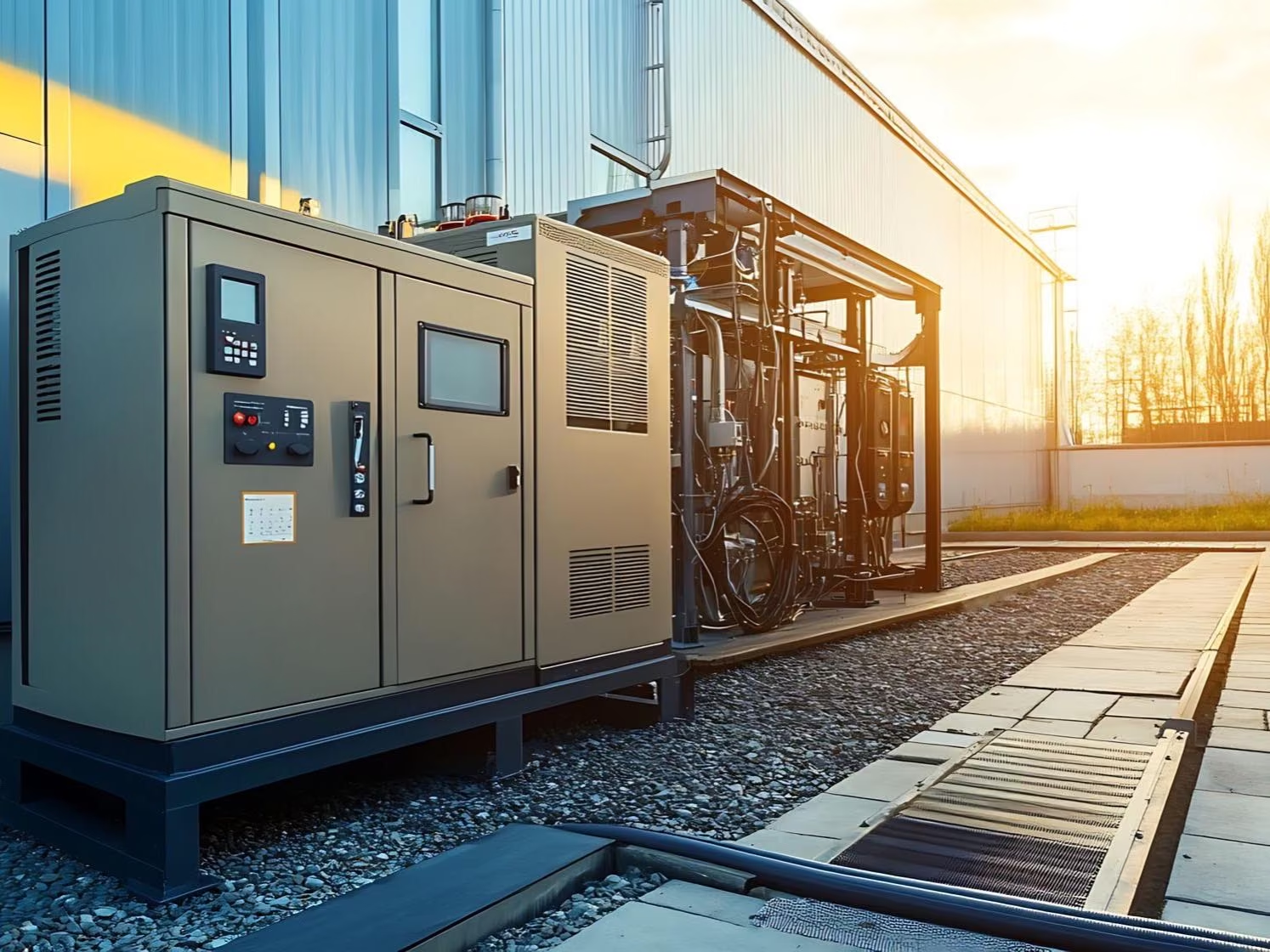
- A natural-gas standby generator runs as long as the gas flows. That makes it the usual pick for Tujunga, Sunland and Sylmar homes that lose power for a day or more in Santa Ana winds.
- A home battery works without solar, charges from the grid, and covers a fridge, Wi-Fi, lights and a medical device for hours, not the whole house for days.
- A portable generator belongs outdoors, at least 20 feet from the house and away from windows, and connects through an interlock kit or transfer switch, never a dryer outlet.
- In the City of Los Angeles a standby generator needs an LADBS electrical permit for the transfer switch, plus a plumbing permit and pressure test for the gas line.
Generator vs battery backup: which one fits your part of Los Angeles?
Foothill and hillside homes with long wind outages lean toward a natural-gas standby generator. Flat-lot homes with short outages, rooftop solar, or close neighbors lean toward a battery.
Our shop sits in Tujunga. When a Santa Ana event takes down lines in the canyons, power can stay off for a day or more. A battery sized for four hours of essentials is empty by midnight. A standby unit on the gas meter keeps the fridge and the furnace blower going until the grid returns.
Down on the Valley floor, in Van Nuys or Reseda, outages tend to be short and come from faults on the line or heat-wave load. A battery covers those cleanly and never needs a gas line. If a neighbor's bedroom window sits ten feet from the only spot a generator could stand, the battery wins on noise alone.
The third path is a portable generator with an interlock kit. It fits a renter or a household that only wants the fridge and a few lights. It also needs someone home to roll it out, start it and refuel it. That rules it out for anyone who depends on a medical device.
Does LADWP shut off power in wind events the way SCE does?
Historically, no. LADWP has said it does not run planned Public Safety Power Shutoffs the way Southern California Edison (SCE) does. It has warned fire-area customers, though, that fire agencies could ask it to cut power to some lines. Plan for wind-caused outages either way.
Your utility decides the risk you plan for. Sunland-Tujunga, Sylmar, Lake View Terrace and the rest of the City of Los Angeles generally take power from LADWP, while Burbank, Glendale and Pasadena run their own utilities. La Crescenta-Montrose, La Cañada Flintridge and Santa Clarita sit in SCE territory, where a PSPS comes with a day or two of notice.
The season opened on schedule: during the October 15-17, 2026 red flag event, SCE shut off power to more than 60,000 customers in a planned PSPS. LADWP customers get no such notice, because the utility has historically not run planned shutoffs; when their lights go out, it is usually wind damage, or a fire agency asked LADWP to cut a line, and either way there is little or no warning.
Winter adds a second season. NOAA's October 2026 outlook favors a strong El Nino and above-normal rain for Southern California into early 2027, favored but not guaranteed. Storm outages come from fallen trees and flooded vaults. LADWP posts its outage map and alerts at ladwp.com/outages; the 24-hour outage line is 1-800-342-5397.
What do you actually need to keep running during an outage?
List the loads you refuse to lose, then let a load calculation decide the size. The usual list is a fridge, Wi-Fi, a few lights, a garage door, a medical device, and in the foothills a sump pump or a well pump.
A fridge, a modem, phone chargers and a lamp or two make a small load. A central air conditioner or a 48-amp EV charger dwarfs that list on its own. Comfort or survival is the choice, and it picks the gear.
Next come the loads that are not optional. Oxygen concentrators, CPAP machines and chilled medication need power without a gap. That argues for automatic transfer. A Sunland hillside home with a sump pump under the garage needs that pump most during the storm that cut the power.
We do not promise a kilowatt number on the phone, and be wary of anyone who does. Nameplate draws, start-up surges and the panel's real limit all go into the math. If someone in the house depends on powered equipment, call (818) 421-5290 and we will size the backup from your panel and your gas meter, in writing.
Standby generator, portable generator or home battery: how do they compare?
A standby generator wins on run time, a battery wins on silence, and a portable wins only on a short outage with someone home. The table below is the one we draw at the kitchen table.
Portable generator vs standby generator vs home battery for Los Angeles outages
| Factor | Portable generator | Standby generator | Home battery |
|---|---|---|---|
| Outage length | Hours, with refuels | Days, while gas flows | Hours; days only with solar |
| Loads it carries | A few chosen circuits | Whole house or a critical-loads panel | Essentials; whole house needs a big system |
| Fuel | Gasoline you store and haul | Natural gas, no refills; propane needs a tank | Grid or solar charging, no fuel |
| Noise | Loud engine by the house | Like an AC condenser | Silent |
| Permits in the City of LA | Electrical permit for inlet and interlock | LADBS electrical and plumbing permits, gas test | LADBS electrical permit |
| Maintenance | Oil, fuel, monthly test starts | Yearly service, weekly self-test | Little; slow capacity fade |
| Who installs it | Electrician | Electrician plus plumber | Electrician |
Two rows decide most jobs: outage length and fuel. A day-long wind outage every season rules out a battery alone.
Can you plug a portable generator into your panel?
Only through an interlock kit or a transfer switch that a licensed electrician installs and the city inspects. A cord from the generator into a dryer outlet, the so-called backfeed, is illegal and can kill a lineworker.
Backfeed works in the worst way. The cord pushes power through your panel and out onto the LADWP or SCE line that a crew believes is dead. The pole transformer then steps your 240 volts up to thousands.
An interlock kit is a metal slide on the panel cover that lets the generator breaker close only after the main is off. A manual transfer switch moves a handful of circuits to an inlet on the outside wall. Either way the main can never feed the grid.
The panel decides whether any of this is simple. Many 1950s-70s Valley tract homes still run 100-amp service in a panel with no listed interlock or transfer gear, so the electrical panel upgrade comes first. The load math is the one in our panel upgrade for EV charger guide, with the generator in place of the charger.
Placement is the other half. The U.S. Consumer Product Safety Commission rule is simple: outdoors only, at least 20 feet from the house, exhaust pointed away from windows and doors, with working CO alarms inside. Newer portable models carry a UL 2201 CO shutoff that stops the engine when exhaust builds up. A garage with the door open does not count as outdoors.
Does a home battery work without solar, and how long does it last in an outage?
Yes, a battery charges from the grid and switches over on its own when the grid drops. Expect hours of essential loads from one unit, not days of the whole house.
A battery system has three parts: the battery, an inverter, and a gateway that cuts the house off from the grid during an outage. Without that gateway the system cannot run, because a grid-tied inverter must shut down when the line goes dead.
Run time is simple math: usable capacity divided by load gives the hours. A fridge, lights, modem and a CPAP draw little and may last through a night. Add a central air conditioner and the same battery drains in a couple of hours. Rooftop solar refills it the next sunny day, so a solar-plus-battery home can ride out a multi-day outage if it keeps loads small.
What permits does a standby generator need in Los Angeles, Burbank and Glendale?
In the City of Los Angeles, at least two permits: an LADBS electrical permit for the transfer switch and feeder, and an LADBS plumbing permit with a pressure test for the gas line. Some lots also need a building permit for the pad, so ask LADBS first. Burbank, Glendale and Pasadena each run their own building department.
The electrical inspector checks the transfer switch, the feeder, the bonding and the working space at the panel. The plumbing inspector wants the gas line to hold pressure on a gauge. On an older tract home the first question is whether the meter can feed the furnace, the water heater, the range and the generator at once. SoCalGas may need to upsize it, on their schedule.
The pad and setbacks come next. The unit needs a level base and set clearances from windows, doors, vents and the property line. Those vary by model and by city. Hillside lots in very high fire hazard zones get a closer look at brush and fence clearance, and some cities add noise limits, so ask your city before you buy.
Two more items come with any job that replaces the service equipment, which a service-rated transfer switch often does. In the City of LA the current code is the 2026 Los Angeles Electrical Code. It calls for an outdoor emergency disconnect and a whole-house surge protector on the replaced service. Our whole house surge protector page covers the device, and our guide on whether a whole house surge protector is worth it explains where LA surges come from.
Who installs backup power: an electrician, a plumber for the gas line, or both?
A battery is an electrician's job start to finish. A natural-gas standby generator needs a C-10 electrician for the transfer switch and a C-36 plumber for the gas run. In California that can be one license.
The usual setup splits the job. An electrical contractor sets the generator and the switch, and a plumber comes another day for the gas line. When the unit starves under load, each blames the other. Our guide on hiring one contractor for electrical and plumbing shows how to check both classifications on cslb.ca.gov.
A+ Electric & Plumbing is a licensed electrician and plumber serving Los Angeles and the San Fernando Valley, and the crew that mounts your transfer switch also runs and pressure-tests the gas line to the generator. One office pulls both the electrical permit and the plumbing permit. Our generator installation in Los Angeles page lists what the visit covers. The gas line installation page explains how we size the run against your meter.
An electrician in Los Angeles who looks at your service, your outage history and your must-have loads can tell you in one visit which way to go. That is the talk we have as an electrician and plumber in Los Angeles at every backup estimate, and it ends in writing.
Frequently asked questions
Will my solar panels keep the house running during an outage?
Not on their own. A grid-tied solar inverter must shut down when the utility line goes dead, so the panels stop producing even on a sunny afternoon. A battery with a gateway that cuts the house off from the grid lets the array keep working. It charges the battery and runs loads at the same time. Without that gateway, solar homes go dark with everyone else.
Can I charge my electric car from a generator or a battery during an outage?
A standby generator can carry a Level 2 charger if the load calculation included it. Most owners drop charging to a low setting to leave room for the house. A home battery usually cannot spare the energy, since a car holds several times what the battery stores. Some newer cars offer vehicle-to-home power with their own listed gear, which is worth asking about first.
Is a standby generator allowed in a very high fire hazard zone or on a red flag day?
Natural-gas standby units with the clearances the manual and the city require are common on hillside lots. Brush clearance and noise rules vary by city, so confirm them with your building department first. A gasoline portable on a red flag day needs bare ground around it, no dry brush, and a refuel only after the engine cools.
Does a home battery need a permit in Los Angeles?
Yes. In the City of Los Angeles a battery system needs an LADBS electrical permit, listed equipment, and an inspection. The inspector checks the disconnect, the labels and the clearances from doors and windows. Burbank, Glendale and Pasadena handle their own permits, and some utilities want an interconnection form before the gateway goes live. A buyer's inspector will ask for that permit when you sell.
Does my sump pump need its own battery backup if I have a generator?
No, if the generator is an automatic standby unit and the pump sits on a backed-up circuit. The pump runs when the transfer switch flips. A portable generator leaves a gap while someone rolls it out, and in a storm that gap can flood a below-grade garage. A pump-specific battery backup, often a second pump, bridges those minutes and covers a pump failure the generator cannot fix.
Related services
Need this handled? Start here
Get a free estimate
Tell us what's going on and a licensed tech calls you back fast, with the exact price before any work starts. Electrical and plumbing, one team.
Estimates for quoted work are free. Troubleshooting or diagnosis may carry a $100-$250 service call, credited to your repair when you approve the work.
- Exact price in writing before we start
- Licensed, bonded & insured (CSLB #942404)
- One team for electrical and plumbing
Prefer to talk? Call (818) 421-5290, answered 24/7.