Plumbing guide
Sewer Backup When It Rains: Why It Happens in Los Angeles and What Fixes It
A sewer backup when it rains usually starts in your own pipe, not in the storm. Los Angeles keeps rain and sewage in two systems, but rain and groundwater still leak into old sewer joints. A lateral already narrowed by roots or grease then cannot carry the flow from the house, and the lowest drain backs up first. Stop using water, then find out which side the blockage is on.
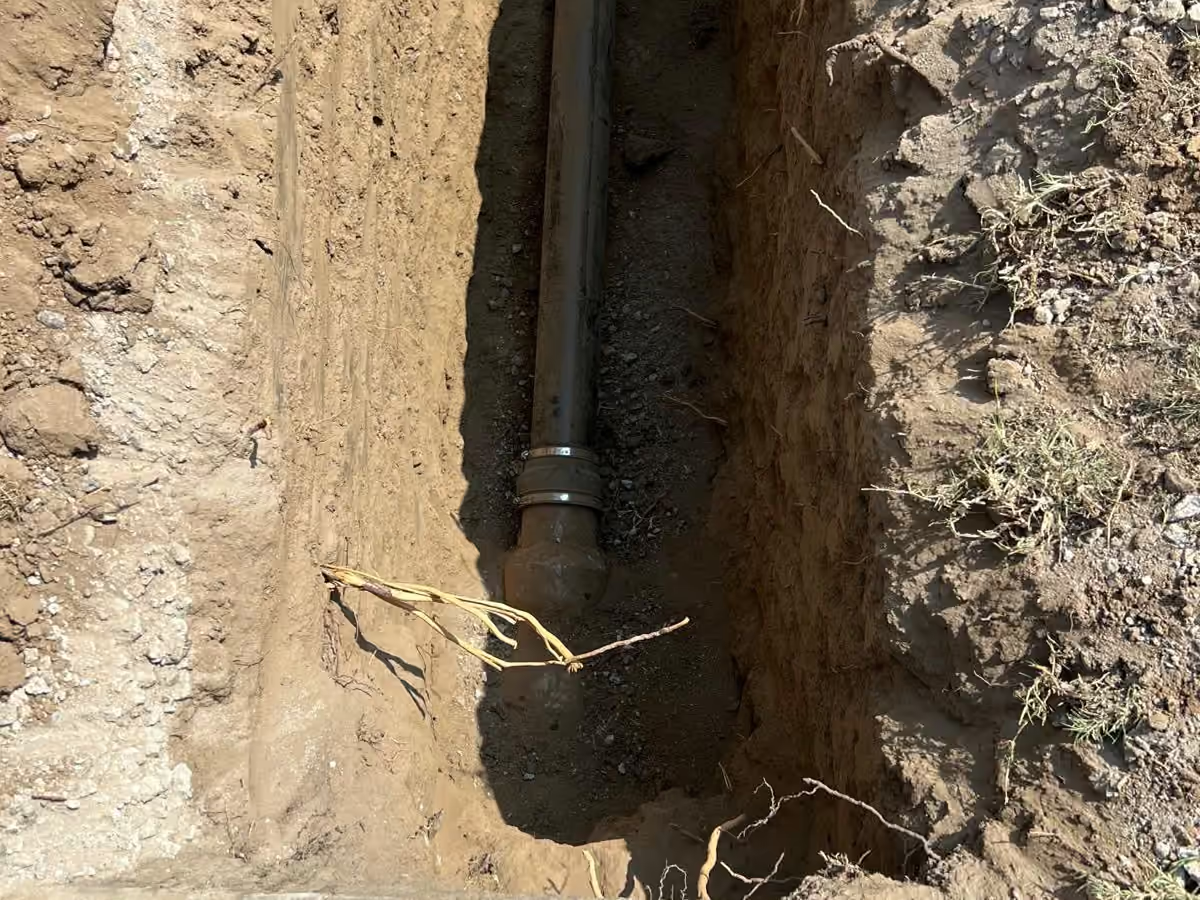
- Los Angeles runs its sewers and its storm drains as two systems, and LA Sanitation has said rain still reaches the sewer through maintenance hole covers and root-cracked pipes.
- The whole sewer lateral, from the building to its connection at the main in the street, is the property owner's to maintain in the City of Los Angeles.
- The City of Glendale gives a simple test: if sewage keeps rising with every tap in the house shut off, the blockage may be in the public main, and if it stops, it is likely in your own line.
- The plumbing code calls for a backwater valve where a floor with fixtures sits lower than the next upstream manhole cover, and LADBS applies that to new buildings, qualifying additions and remodels, and sewer replacements.
- LA Sanitation takes sewer reports at 1-800-773-2489 at any hour and offers rebates for a lateral camera inspection and for a lateral repair.
Why does a sewer back up when it rains in Los Angeles?
Rain does not need a shared pipe to reach the sewer. Los Angeles keeps sewage and storm water in two networks, but LA Sanitation has said rain still gets in through maintenance hole covers, the City's name for manhole covers, and through sewer lines cracked by tree roots. Extra water in a pipe that was already tight is what sends flow back toward the house.
- Rain and groundwater leak into old sewer joints.
- The city main runs fuller in a storm.
- A lateral narrowed by roots or grease cannot pass the house flow, and the lowest drain backs up first.
- Cleanouts: where a plumber opens and scopes the line.
- Backwater valve: only where the floor sits below the manhole cover. It closes when flow reverses.
Most articles on this topic describe cities where one pipe carries both. That is not the system here. The City's wet-weather page lists 6,700 miles of sewer pipe next to a storm drain network with more than 40,000 catch basins of its own. LA Sanitation puts more than half of all sewer backups down to two things: tree roots, and fats, oils and grease.
That matches what we find in older Valley and foothill homes. The lateral is clay from the 1940s or 50s, roots have opened a joint, and grease has narrowed the bore. On a dry day it copes. In a storm, groundwater seeps in through the same joints while the main in the street runs fuller, and the shower and laundry water has nowhere to go. A sewer backup when it rains is often a dry-weather problem that the storm finally exposed.
What should you do first when a drain backs up in a storm?
Stop sending water down the drains, keep people out of the wet room, and stay away from any outlet or cord the water has reached. Those three steps limit the damage while you work out who to call.
- Stop using water
No flushing, no laundry, no dishwasher, no showers. Every gallon you send down comes back up at the lowest drain.
- Keep everyone out of the wet area
Sewage is contaminated water. Keep children and pets away, and wear rubber boots, gloves and eye protection if you have to go in.
- Respect the power
If water has reached an outlet, a cord or an appliance, do not step in it. Turn off the main breaker only if the panel itself is dry and you can reach it from a dry spot. A panel on an outside wall is not dry while it rains. Switching off just that circuit is enough only if you are sure which breaker it is. If you cannot do it safely, call an electrician, and have the wiring checked before the power goes back on.
- Leave the cleanout cap alone
A blocked line can hold pressure behind the cap, and sewage that runs to the street gutter is a prohibited discharge under city code. The plumber opens it with the right setup.
- Skip the drain chemicals
They do not dissolve roots or a grease wall, and the cable or the jetter brings them back out at whoever clears the line.
- Take photos before you clean
Photograph the water line on the walls and anything damaged. An insurer or a city claim will ask for them.
Is the blockage in your pipe or in the city main?
Turn off every tap and appliance and watch the drain. The City of Glendale gives the clearest test in the region: if sewage keeps coming up with all the water off, the source may be the city main. If it stops, the blockage is likely in your own line, and you need a plumber.
Reading the signs: storm backup or ordinary clog
| What you see | What it points to | First call |
|---|---|---|
| One sink or tub is slow, the others drain | A clog in that branch line | A plumber, in normal hours |
| Toilets gurgle and the shower fills when the washer empties | Your building drain or your lateral is partly blocked | A plumber; stop using water |
| Sewage rises only while water runs in the house | A blockage in your own lateral | A plumber |
| Sewage keeps rising with every tap shut | The public main may be blocked or running full | Your city's sewer number (next section), then a plumber |
| It backs up in every big storm and never in summer | Groundwater leaking into a cracked or root-filled lateral, or a full main at a low floor | A camera inspection once the storm has passed |
| Clear water under a door or through a wall, no sewage smell | Storm water, not the sewer | A drainage fix, not a drain cleaning |
Two more clues help. Ask a neighbor whether their drains are slow too, since a blocked or full main often shows up at more than one house. Sewage coming up at a sewer maintenance hole in the street points to the public main, so report it. Clear water lifting a cover may be the storm drain instead. For clear water with no sewage smell, our guide on whether you need a sump pump covers the drainage side.
Who do you call, and who pays for what?
The city maintains the main, and you maintain everything that serves only your house. In the City of Los Angeles that means the whole lateral, from the building to the connection at the main, including the part under the sidewalk and the street. LA Sanitation asks residents to report sewer problems to its 24-hour line.
Who to call for a sewer problem, by city
-
City of Los Angeles: sewage rising with all your water off, or a maintenance hole overflowingLA Sanitation Customer Care Center, 24 hours1-800-773-2489
-
City of Los Angeles: flooded street or blocked catch basin, nobody in danger311 or the MyLA311 app311
-
Burbank: a suspected problem in the city mainPublic Works, 7:30 a.m. to 4:00 p.m.(818) 238-3915
-
Burbank: the same problem, after hoursCity after-hours line(818) 238-3778
-
Glendale: sewage still rising with the water offMaintenance Services(818) 548-3950
-
Pasadena: sewer or storm drain problemCity Service Center(626) 744-7311
-
La Cañada Flintridge outside the Crescenta Valley Water District area, and unincorporated areas: sewage stoppage or spillLA County Public Works, 24 hours(800) 675-4357
-
A backup in your own line, at any hourA+ Electric & Plumbing; a live person answers 24/7(818) 421-5290
La Crescenta is its own case: the Crescenta Valley Water District runs the sewers there, at (818) 248-3925. The rule on the lateral is the same in every one of these places, so clearing or repairing your line is your bill. One difference is worth knowing. Burbank's code says the city may pay back part of the repair when the roots of a city parkway tree crushed the pipe or pushed it out of line. You have to show the tree was the cause, pull the permits, and let the city inspect before any damaged pipe comes out. Our guide to tree roots in the sewer line goes through the Los Angeles side of that question.
Which drain floods first, and why are hillside homes different?
Wastewater leaves by the lowest open exit, so the lowest fixture in the house floods first. In a single-story Valley home on a slab that is usually a shower, a tub or the floor drain by the laundry. Upstairs fixtures keep draining and feed the flood below.
Hillside homes add a second risk. A bathroom on a lower level can sit below the street, and below the maintenance hole cover upstream of your connection. If the main fills to that cover, it can push sewage into those fixtures even when your own lateral is clean. That is the house the backwater valve rule was written for, and Los Angeles has plenty of them, from Tujunga and the Verdugos to Silver Lake and the canyon streets south of Ventura Boulevard.
A flat-lot house whose floor sits above the street is in a different position. There a storm backup usually means the lateral cannot carry your own flow, and the fix is on your side.
Does your house need a backwater valve?
It does where a floor with plumbing fixtures sits lower than the next upstream manhole cover. That is the rule in the California Plumbing Code, which Los Angeles adopts for sanitary drainage without changes. The valve is a flap in the drain line that closes when flow reverses.
The LADBS backwater valve handout is a 2009 document the department still posts. It lists the jobs where the valve has to go in when the floor is below that cover: new buildings, additions, remodels over half the replacement value of the building, and sewer replacements. For existing homes it strongly encourages owners to have a licensed plumber check. Installing one takes a plumbing permit, and the valve must sit in an accessible pit with a cover. Burbank has its own version of the rule in its municipal code.
- Only the fixtures below the manhole cover drain through the valve. Fixtures on higher floors must bypass it, or they would flood the low floor whenever the flap is shut.
- While the flap is closed, the fixtures behind it cannot drain. Using them during the storm fills the pipe on your side.
- It does nothing for a blockage in your own lateral, because that water never came from the street.
- Have it checked at least once a year, the interval the LA County Sanitation Districts give. LADBS warns that root-cleaning machines and debris can damage the flap, so tell any drain crew the valve is there.
What can a plumber do during the storm, and what waits for dry weather?
During the storm the job is to get the line flowing. Repairs wait. The crew opens the lateral through a cleanout and restores flow with a cable. A camera cannot see through standing sewage, so the inspection comes after the line drains, and on old clay any jetting waits until the camera has seen the pipe.
One call comes before any machine goes into an outside sewer line. SoCalGas asks you to phone 1-800-427-2200 so it can check, at no charge, whether a gas line passes through the sewer. Our emergency plumber page describes a night call, and drain cleaning in Los Angeles covers the clearing itself.
Once the pipe is flowing and the rain has passed, a sewer camera inspection shows why it backed up. Grease and sludge on the wall call for hydro jetting, and our comparison of hydro jetting vs snaking explains when each tool fits. An open joint, a crack or a belly calls for sewer line repair in Los Angeles. Work under the street needs a city permit and a bonded sewer contractor, so ask who holds that part of the job.
What keeps the sewer from backing up in the next storm?
Have the lateral looked at in dry weather and fix what the camera finds. The city puts that on its own storm checklist, and it runs two rebates to help: one for a camera inspection of the lateral and one for a lateral repair.
- Keep roof drains, yard drains and sump pumps out of the sewer. City code bars storm water from the sanitary system, and LA County Public Works warns that rainwater overwhelms sewer lines and can cause spills.
- If roots are the cause, plan the repair. Cutting them back buys months, and the open joint stays open.
- Add a cleanout if the house has none, so the next visit starts at the pipe and not at a toilet.
- If a lower floor sits below the street, ask about a backwater valve well before the next storm.
A+ Electric & Plumbing is a licensed electrician and plumber serving Los Angeles and the San Fernando Valley from a shop in Tujunga, on one California license for both trades. When a backup has reached an outlet or the laundry circuit, the same crew that clears the line can make the wiring safe. The rest of our plumbing work is on the Los Angeles plumber page. For a backup that touched both pipes and wiring, the home page shows how one electrician and plumber in Los Angeles handles both.
Does insurance or the city pay for a sewer backup?
Often neither. Insurance pays only if you added the right cover beforehand. A claim against a city has a real chance only when the city's own pipe or tree caused the damage. Many homeowners policies leave out water that backs up through sewers or drains unless an endorsement was added, and the buried pipe itself is a different endorsement again. Flood insurance is a third policy. Read yours, or ask your agent, before you need it.
A claim against the City of Los Angeles is realistic only when the public main caused the backup and your own lateral was clear. Camera footage of a clear lateral is the evidence. Claims go to the City Clerk, online or on paper, and the deadlines are short. The City Attorney's claims page gives six months for damage to personal property and one year for damage to real property, under Government Code 911.2. A backup usually damages both, so treat six months as your date and check the details with the City Clerk or a lawyer.
Frequently asked questions
Can heavy rain cause a backup if Los Angeles has separate storm drains?
Yes. The two systems are separate by design, but rain and groundwater still enter the sewer through maintenance hole covers and through cracked or root-opened pipe. LA Sanitation has said flow into its largest treatment plant can double on rainy days. A lateral that was nearly blocked in dry weather then backs up, and a low floor can take water from a full main.
Why does my toilet gurgle or bubble when it rains?
Air is being pushed back through the trap. LA Sanitation notes that when its sewer lines run completely full, the air inside gets pushed out through vents at the street. In a house, the same thing happens when a narrowed lateral fills behind a blockage. Gurgling in a storm is an early warning, so stop heavy water use and have the line checked.
Should I open the cleanout cap to relieve a backup?
No, leave it for the plumber. A blocked line can hold pressure behind the cap, and what comes out is raw sewage. If it reaches the gutter, that is a prohibited discharge into the storm drain under Los Angeles code. A crew opens the cleanout with containment and a machine ready. A homeowner loosening the cap in the rain has neither.
Will a backwater valve stop every backup?
No. It stops sewage coming back from the street into fixtures that sit below the upstream manhole cover. It does nothing for a clog in your own lateral, and while its flap is shut the fixtures behind it cannot drain. It also fails if nobody maintains it. It protects a low floor. It does not cure an old pipe.
Can I use the plumbing again once the water goes down?
Only lightly, and treat it as a test until the line has been cleared. Water going down by itself usually means the rain eased. The blockage is still there. Run one fixture and watch the lowest drain. If the level rises, stop. Have the line opened and then scoped, because a lateral that backed up once in a storm tends to do it again in the next one.
Related services
Need this handled? Start here
Get a free estimate
Tell us what's going on and a licensed tech calls you back fast, with the exact price before any work starts. Electrical and plumbing, one team.
Estimates for quoted work are free. Troubleshooting or diagnosis may carry a $100-$250 service call, credited to your repair when you approve the work.
- Exact price in writing before we start
- Licensed, bonded & insured (CSLB #942404)
- One team for electrical and plumbing
Prefer to talk? Call (818) 421-5290, answered 24/7.