
Plumbing guide
Slab Leak Repair Options: Spot Repair, Reroute, Repipe or Lining, and Which One Lasts
Slab leak repair options come down to four choices: open the slab and fix the spot, reroute the line through the attic and walls, repipe the house, or coat pipe that is already leak-free with epoxy. One leak in sound pipe suits a spot repair. A second leak on the same run usually calls for a reroute or a repipe. In the City of Los Angeles, a reroute or repipe needs an LADBS plumbing permit.
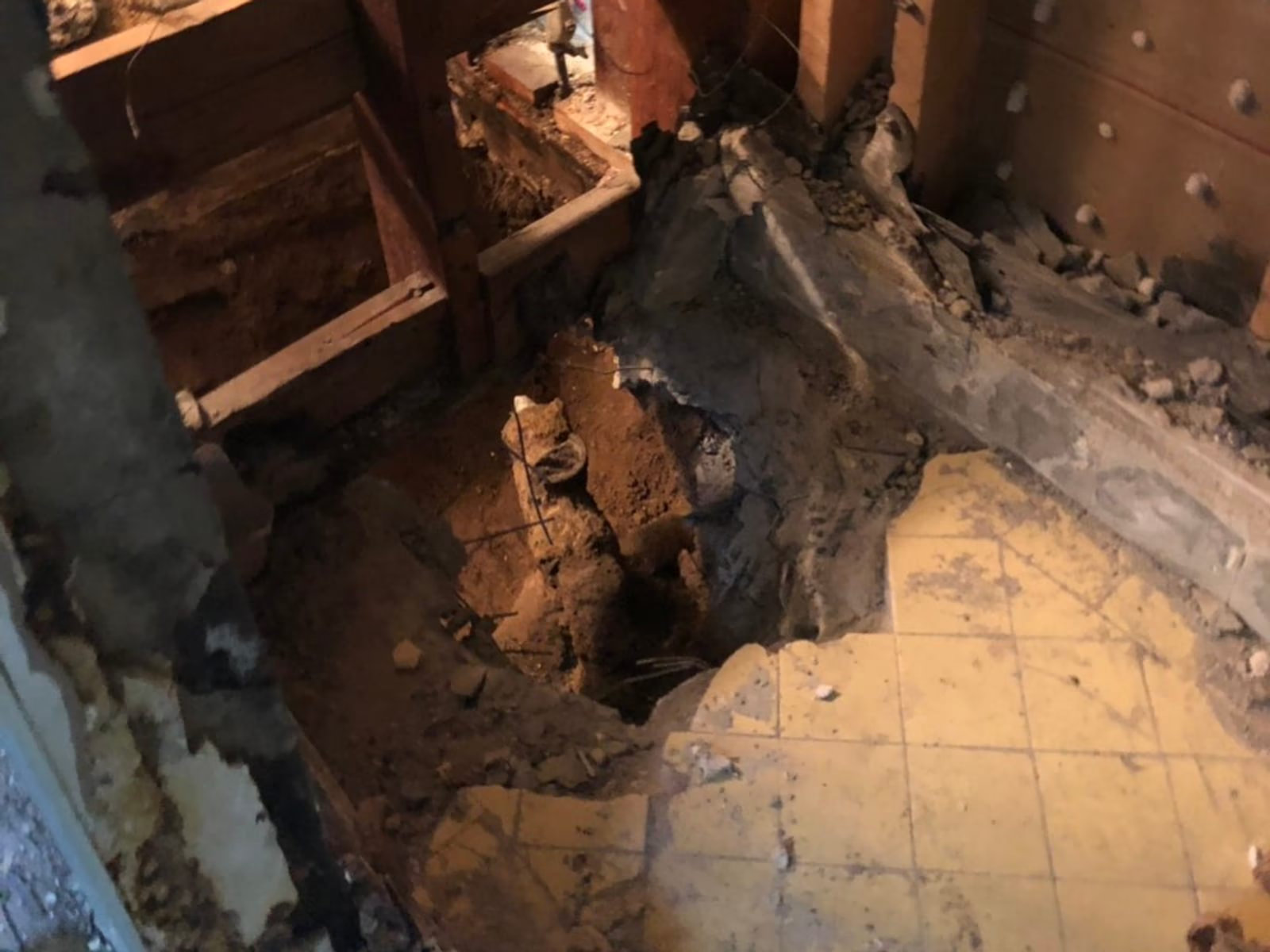
- Confirm a leak at the water meter and rule out toilets first, then locate it with pressure testing, listening gear, thermal imaging or tracer gas before anyone breaks concrete.
- A reroute abandons the leaking line under the slab and runs new PEX or copper through the walls and attic, so that run can never leak under the floor again.
- Epoxy lining is a coating for pipe that is already leak-free, and its product listings require every leak to be repaired before the pipe is coated.
- In the City of Los Angeles, a reroute or repipe takes an LADBS plumbing permit, and a short like-for-like pipe swap needs a permit or a city-certified contractor's filing.
- California homeowners policies usually treat sudden water damage differently from slow seepage and from the broken pipe itself, so read the exclusions before you file.
What are your slab leak repair options?
You have four real choices, and they differ in what they open up and how long the fix lasts. A spot repair breaks the concrete above the leak and replaces the bad section. A reroute leaves the old line in the ground and runs a new one overhead. A repipe replaces every supply line in the house.
Some contractors sell a fourth option, epoxy lining, as a leak fix, but it is a coating. More on that below. Tunneling under the slab exists too, though it is mostly used for drain lines.
Which one fits depends on three facts: how many leaks the line has had, what sits on top of it, and how old the rest of the pipe is. Our slab leak repair in Los Angeles page explains each one.
How is a slab leak confirmed before anyone breaks concrete?
Start at the meter. Turn off every faucet, appliance and the irrigation, then watch the small leak indicator on the meter face. If it moves, water is leaving the pipe somewhere. Close the main shutoff at the house next: if the indicator stops, the leak is inside, and if it keeps turning, look at the yard line.
To split hot from cold, close the cold inlet valve on top of the water heater and watch the meter again. If it stops, the leak sits on the hot side. A single-handle faucet or a recirculation valve can feed cold water into the hot side, so a good tech double-checks before drawing conclusions.
Locating the exact spot is leak detection work. A pressure test proves which branch leaks. Acoustic gear listens for the hiss through the slab, thermal imaging shows a warm streak above a hot line, and tracer gas can find quiet leaks that the other tools miss. Our guide to the signs of a hidden water leak walks through the meter test step by step.
Spot repair or reroute: when is fixing one spot enough?
A spot repair fits one leak, in otherwise sound pipe, in a place you can reach. The tech cuts the flooring, breaks out a small section of slab, replaces the damaged piece of pipe, tests it, and patches the concrete. Tile or hardwood on top is the real cost of the job, since matching an old floor is rarely perfect.
The catch is age. The rest of that line went into the ground the same year and has carried the same water ever since. A first pinhole in a 1960s copper run is often not the last, so ask whether the other lines held on the pressure test before you choose the cheapest fix.
When is a reroute the better repair?
A reroute makes sense when the leak sits under something you do not want broken, or when the line has leaked before. The plumber caps the old line at both ends, leaves it in the slab, and runs new PEX or copper up a wall, across the attic and down to the fixture. That run can never leak under the floor again.
Many 1950s to 1970s Valley tract homes have an open attic, which makes a reroute straightforward. You trade a few drywall holes for a jackhammer in the kitchen. Plumbers reroute hot lines often, because they carry the hardest duty in the house.
A reroute changes the layout of the pipe, so it is permit work. In the City of Los Angeles that means an LADBS plumbing permit and an inspection before the walls close. Burbank, Glendale and Pasadena issue their own permits.
When does a whole-house repipe pay off?
A repipe pays off once a second line leaks, when the house mixes old galvanized and copper, or when water pressure has dropped everywhere. At that point each spot repair buys limited time on pipe that is wearing out as a whole.
Whole-house repiping runs new lines overhead in PEX or copper and abandons everything under the slab. PEX is allowed for water distribution under the current California Plumbing Code, and LADBS sizing tables cover copper, CPVC and PEX alike. Copper costs more and needs more wall openings, while PEX bends around framing.
Check the pressure while the walls are open. The code calls for a regulator once static pressure tops 80 psi, and high pressure pushes water faster through every fitting. A tired pressure regulator is a small part next to a repipe, so have it checked on any leak call. Our guide on water pressure that is too high explains the 80 psi rule.
Does epoxy pipe lining fix a slab leak?
No. Epoxy lining is a corrosion barrier for pipe that is already tight. The California Plumbing Code points epoxy lining of pressure pipe to the ASTM F2831 standard, and that standard describes a coating for corrosion protection and flow, not a leak sealant.
The product listings say the same thing in plain words. The ICC-ES PMG listings for three lining systems all require every leak to be repaired before the pipe is coated. The listed process typically includes sandblasting the inside of the pipe, an air test to prove there are no holes, the coating itself, and a pressure test in front of the inspector.
So a contractor who offers to seal your slab leak with epoxy, with no digging, is describing something the listings do not allow. Lining can make sense for a whole system of sound copper that you want to protect. Ask for the listing number, the permit and the inspection date, and ask who repairs the leak first and how.
Which slab leak repair option fits your house?
Use the table to narrow it down, then let the pressure test and the age of the pipe make the final call.
Slab leak repair options compared
| Option | Best fit | What gets opened | Next leak on that run | City of LA permit |
|---|---|---|---|---|
| Spot repair | First leak, sound pipe, reachable spot | Flooring and a small slab section | Possible, the rest of the run is just as old | Yes, or a certified contractor's filing |
| Reroute | Leak under finished floors or cabinets, or a repeat leak on one line | Drywall along the new path | Not under the slab, the old run is abandoned | Yes |
| Whole-house repipe | Leaks on a second line, mixed galvanized and copper, low pressure | Drywall in several rooms | Not under the slab, all runs are new | Yes |
| Epoxy lining | A sound system you want to protect | Fittings at each end of each run | Does not stop an active leak | Yes, with inspection |
What causes slab leaks in Los Angeles homes?
Movement, water speed and corrosive soil or backfill are common causes. Copper expands and contracts with every hot shower, and where it rubs against concrete or gravel it can wear through. Fast water erodes copper from the inside, and a hot water recirculation loop is the hardest duty a pipe can have. Sloppy original work, such as pipe ends left unreamed or heavy flux, adds to it.
Two common explanations do not hold up. LA tap water is not acidic: the latest LADWP water quality report puts average pH between 7.7 and 8.3 across its sources, which is slightly alkaline. Household grounding current is the other common suspect. An EPA-funded lab study found no sign that grounding currents speed up corrosion inside the service lines it tested. Our hard water guide covers what the minerals in LA water actually do.
Permits, insurance and the LADWP bill: what comes next?
Keep every receipt and photo. Insurance comes first: the California Department of Insurance guide lists sudden and accidental water damage as typically covered, and seepage or leaks, wear and tear and neglect as generally not. Whether a policy pays to open the slab, and whether it pays for the pipe, depends on its wording.
LADWP does not repair leaks on private property, but it offers a billing adjustment after an underground leak repair. You apply within 12 months with the repair receipts, and LADWP honors one such request every 24 months. Ask whether your slab leak counts, since the page does not define underground.
A+ Electric & Plumbing is a licensed electrician and plumber serving Los Angeles and the San Fernando Valley. That matters on a repipe: when metal water pipe gives way to PEX, the house's electrical grounding and bonding can change, and the same crew checks both. If you suspect a leak under the slab, call (818) 421-5290 and a live person picks up. Our Los Angeles plumber page lists the rest of the plumbing work, and the home page explains why one electrician and plumber in Los Angeles saves you the second contractor.
Frequently asked questions
How urgent is a slab leak?
Treat it as days, not months. Water under a slab keeps running every hour, raises the bill and soaks the soil and the flooring above it. The EPA advises drying water-damaged areas within 24 to 48 hours to prevent mold. If the floor is wet or warm and the meter keeps moving, shut the water off and book the leak search now.
Can you fix a slab leak without digging or breaking the floor?
Yes, with a reroute or a repipe. Both leave the leaking line in the slab and run new pipe through the walls and the attic, so the floor stays intact. Epoxy lining is not a no-dig leak fix, since its listings require the leak to be repaired first. Tunneling under the slab exists, but it is mostly used for drain lines.
Is a hot water slab leak more common than a cold one?
Hot lines carry the harder duty. Hot water erodes copper at lower speeds than cold water, and the pipe expands and contracts each time it heats up. A recirculation loop keeps hot water moving all day. Cold lines leak too, though, and a cold-side leak leaves no warm spot on the floor, so the meter test matters more than the feel of the tile.
Will homeowners insurance pay for a slab leak in California?
It depends on the policy wording. Sudden and accidental water damage is typically covered, while seepage or leaks, wear and tear and neglect are generally excluded. Many policies pay to open and close the slab but not to replace the pipe that failed. Photograph the damage, keep the leak detection report and the invoice, and call your agent before the repair starts.
My plumber wants to reroute to the attic. Is that a good sign or an upsell?
Usually a good sign, if the reasoning is clear. A reroute avoids breaking finished floors and takes the leaking run out of the slab for good. Ask which line leaked, what the pressure test showed for the other lines, and whether a permit is included. A reroute without a permit is a red flag in the City of Los Angeles.
Related services
Need this handled? Start here
Get a free estimate
Tell us what's going on and a licensed tech calls you back fast, with the exact price before any work starts. Electrical and plumbing, one team.
Estimates for quoted work are free. Troubleshooting or diagnosis may carry a $100-$250 service call, credited to your repair when you approve the work.
- Exact price in writing before we start
- Licensed, bonded & insured (CSLB #942404)
- One team for electrical and plumbing
Prefer to talk? Call (818) 421-5290, answered 24/7.